Tile is one of the most visible parts of a bathroom, while waterproofing is one of the most important parts that remains hidden. Manhattan Kitchen & Bath treats both as one coordinated system for Hell's Kitchen renovations. A beautiful pattern cannot compensate for poor preparation, so the work begins with stable substrates, proper slopes, sealed transitions, and a waterproofing approach suited to the shower or tub area.
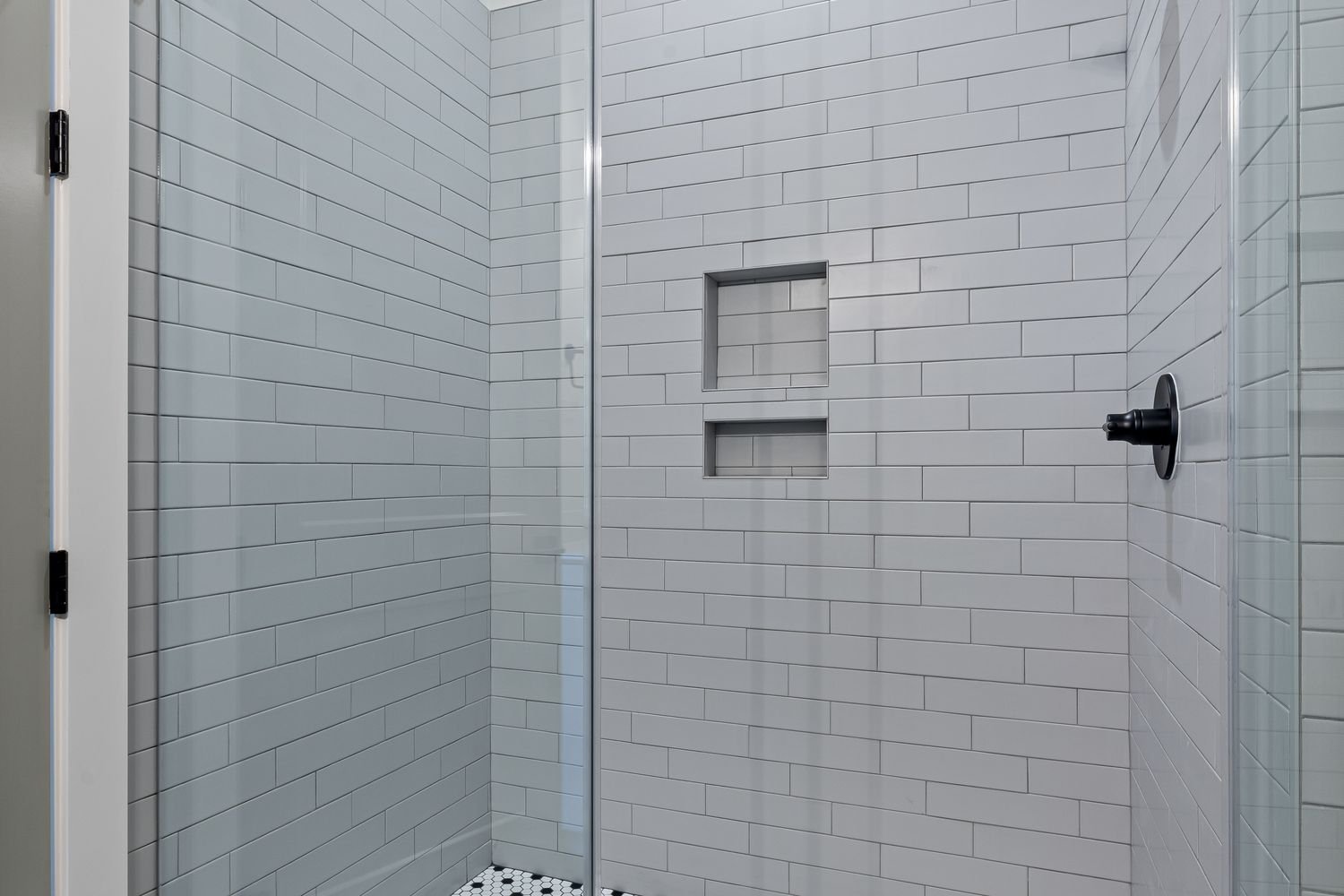
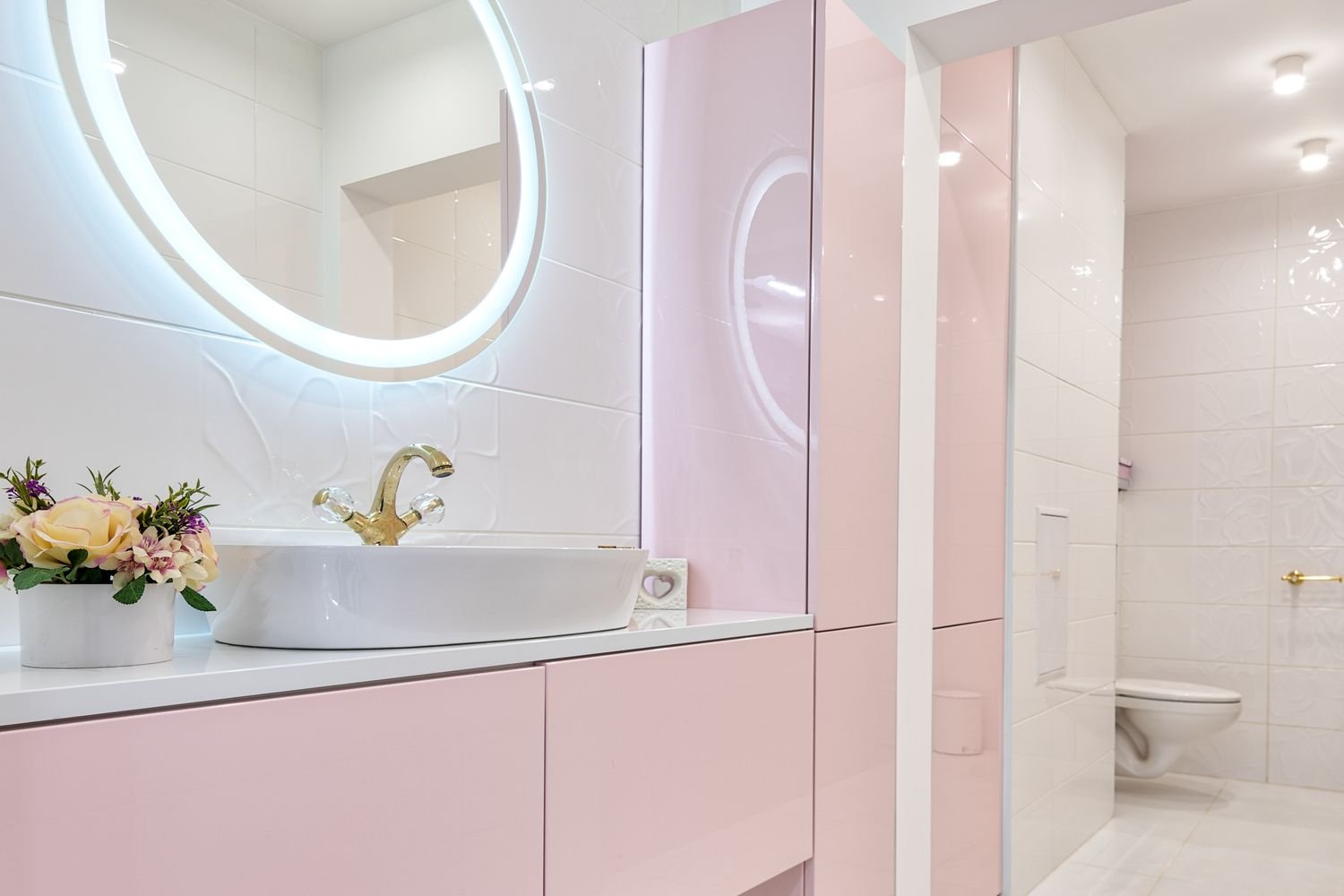
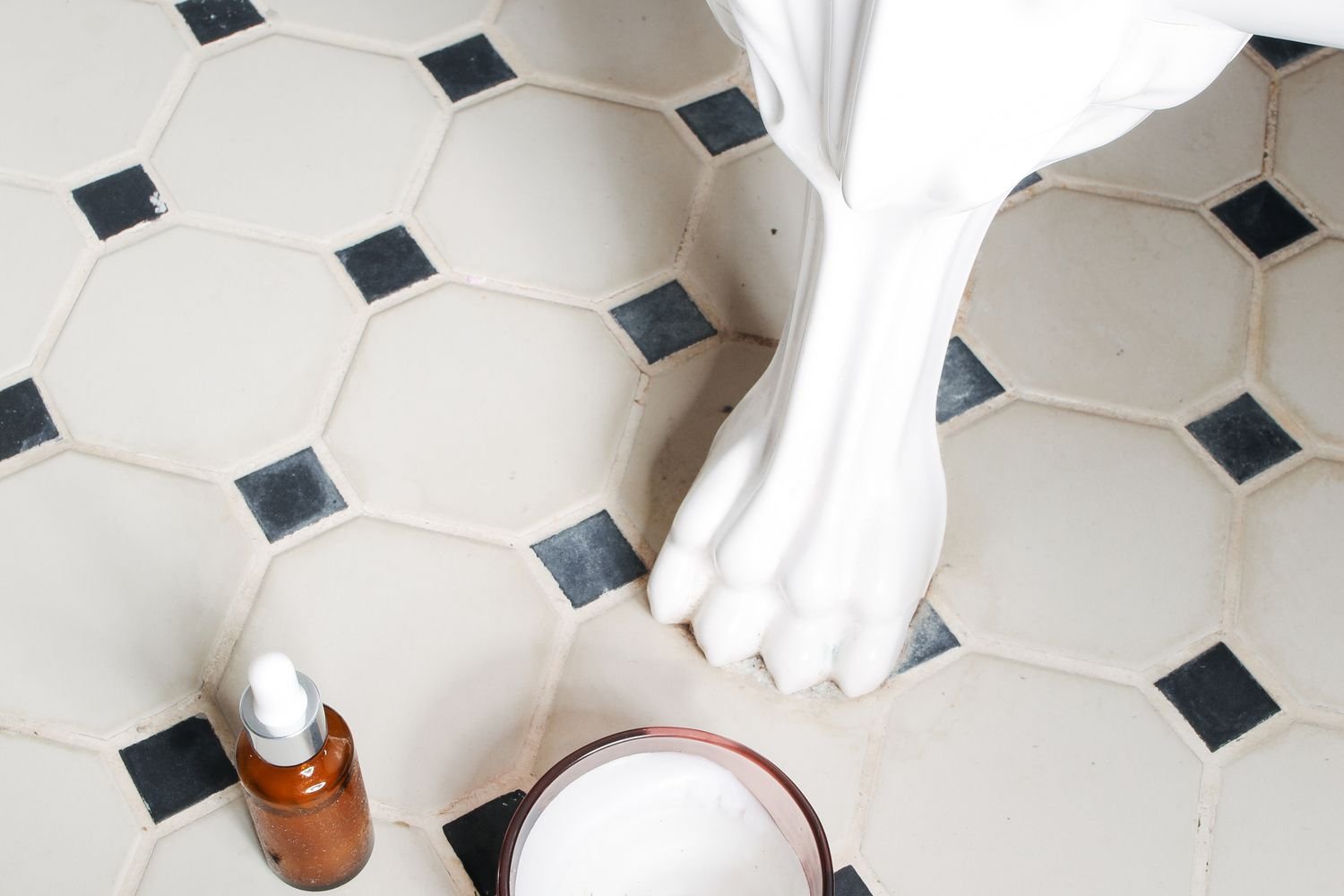
Custom tile work may include porcelain, ceramic, marble, mosaics, large-format panels, shower niches, accent walls, benches, and carefully aligned floor layouts. We review tile dimensions, grout joints, trim profiles, corner details, and fixture locations before installation. Thoughtful planning reduces awkward cuts and helps focal areas such as niches, vanities, and shower walls look balanced from the doorway.
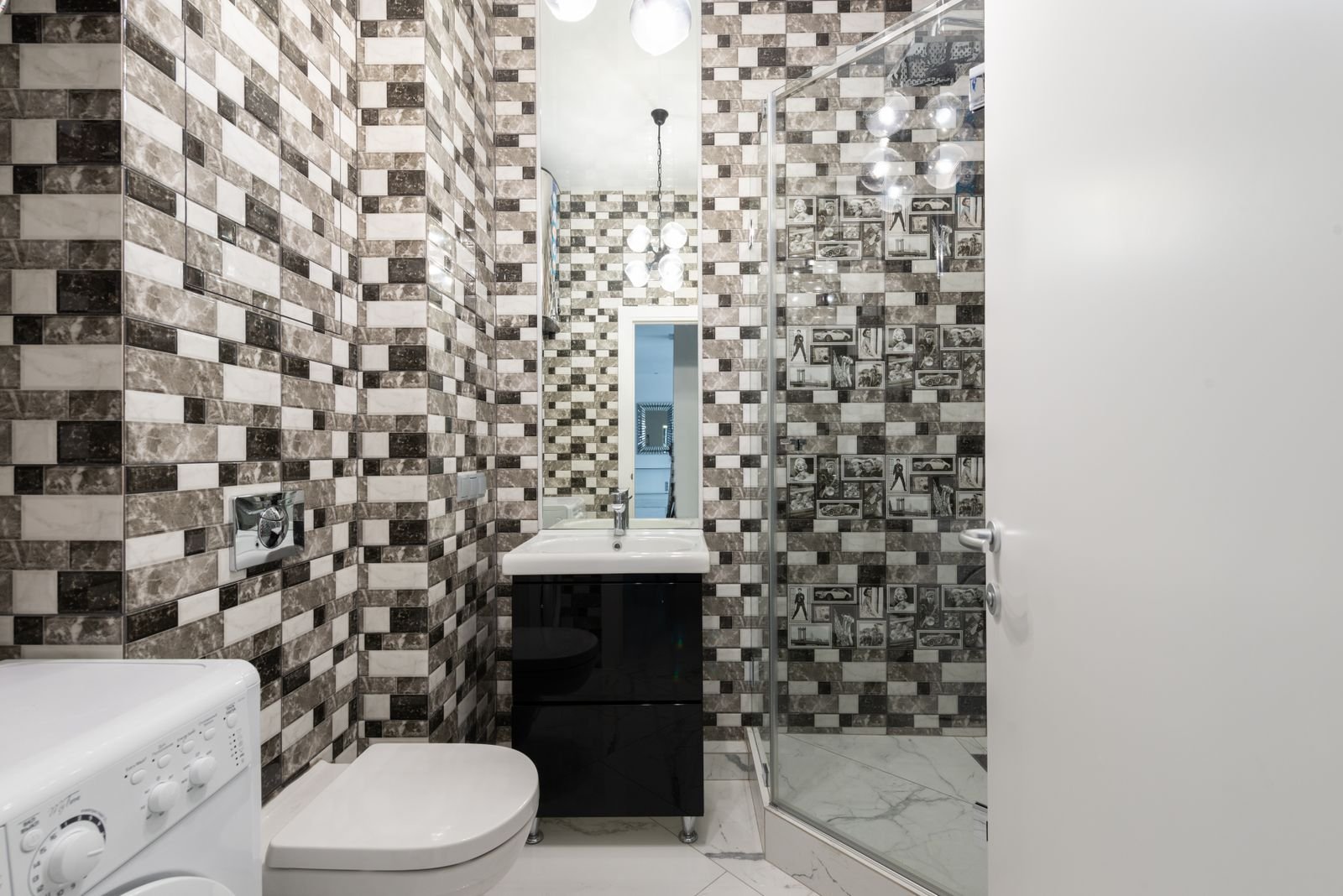
In Hell's Kitchen's older apartments, walls and floors may be uneven after demolition. Correcting these conditions is essential before large-format tile or glass is installed. Tight bathrooms also make layout decisions more noticeable because every joint is close to the viewer. Building rules, water shutoffs, and elevator access may affect scheduling, while common-area protection is important during delivery of heavy tile and setting materials.
Manhattan Kitchen & Bath coordinates waterproofing, tile setting, grout, fixtures, and final sealing as part of a full bathroom renovation or focused wet-area upgrade. We emphasize clean lines, durable transitions, and careful preparation rather than rushing to the visible finish. For custom bathroom tile and waterproofing in Hell's Kitchen, the result should be attractive, practical, and built to manage moisture reliably.
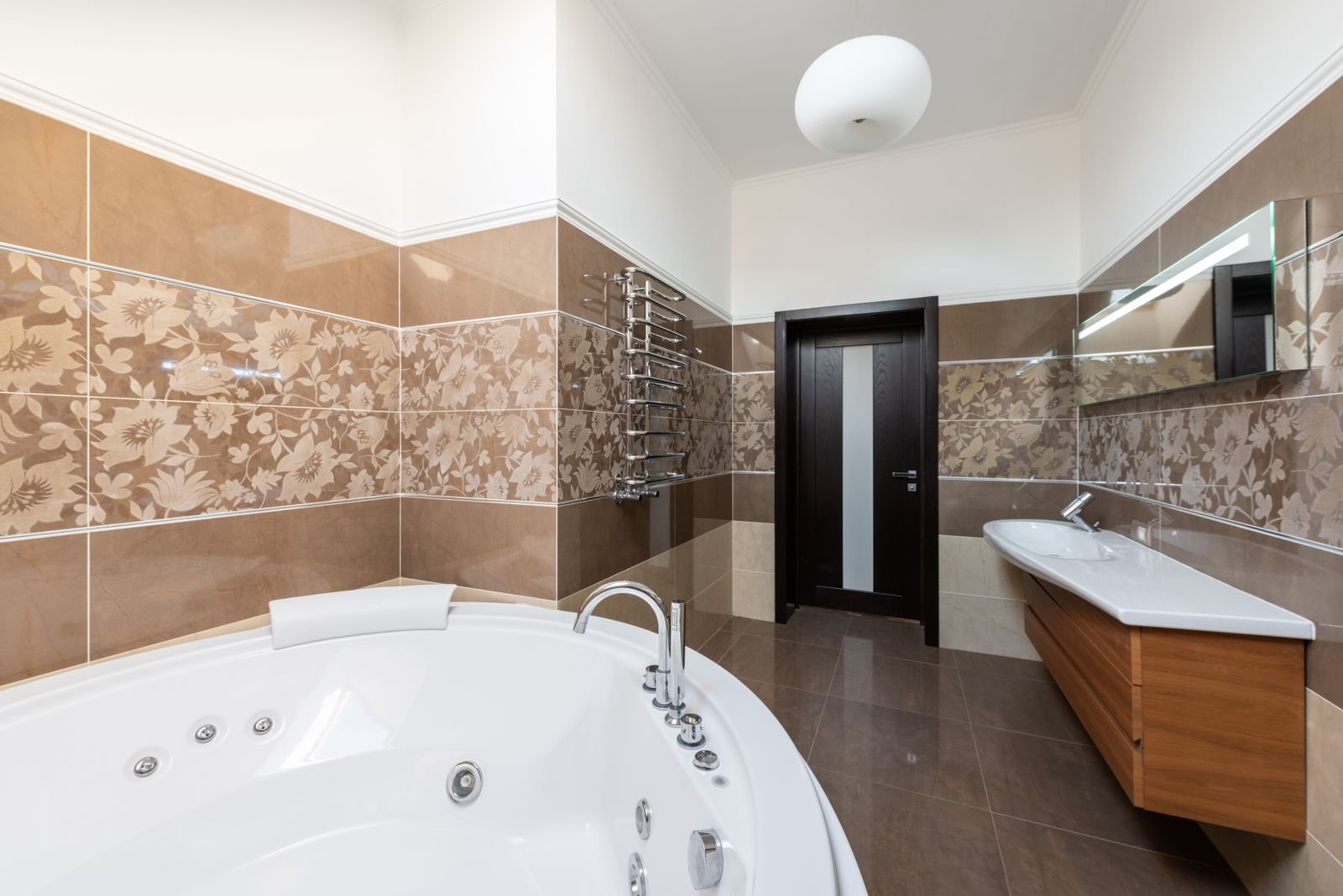
Tile selection should also reflect the scale of the room. Larger tiles can reduce grout lines, while smaller mosaics can provide traction and accommodate shower slopes. Pattern, veining, and grout contrast all influence how spacious the bathroom appears. For Hell's Kitchen homes with limited natural light, we may recommend balancing decorative areas with quieter surfaces so the room does not feel overloaded. Samples and layout discussions help the homeowner understand how a tile will look across an entire wall rather than as a single piece.