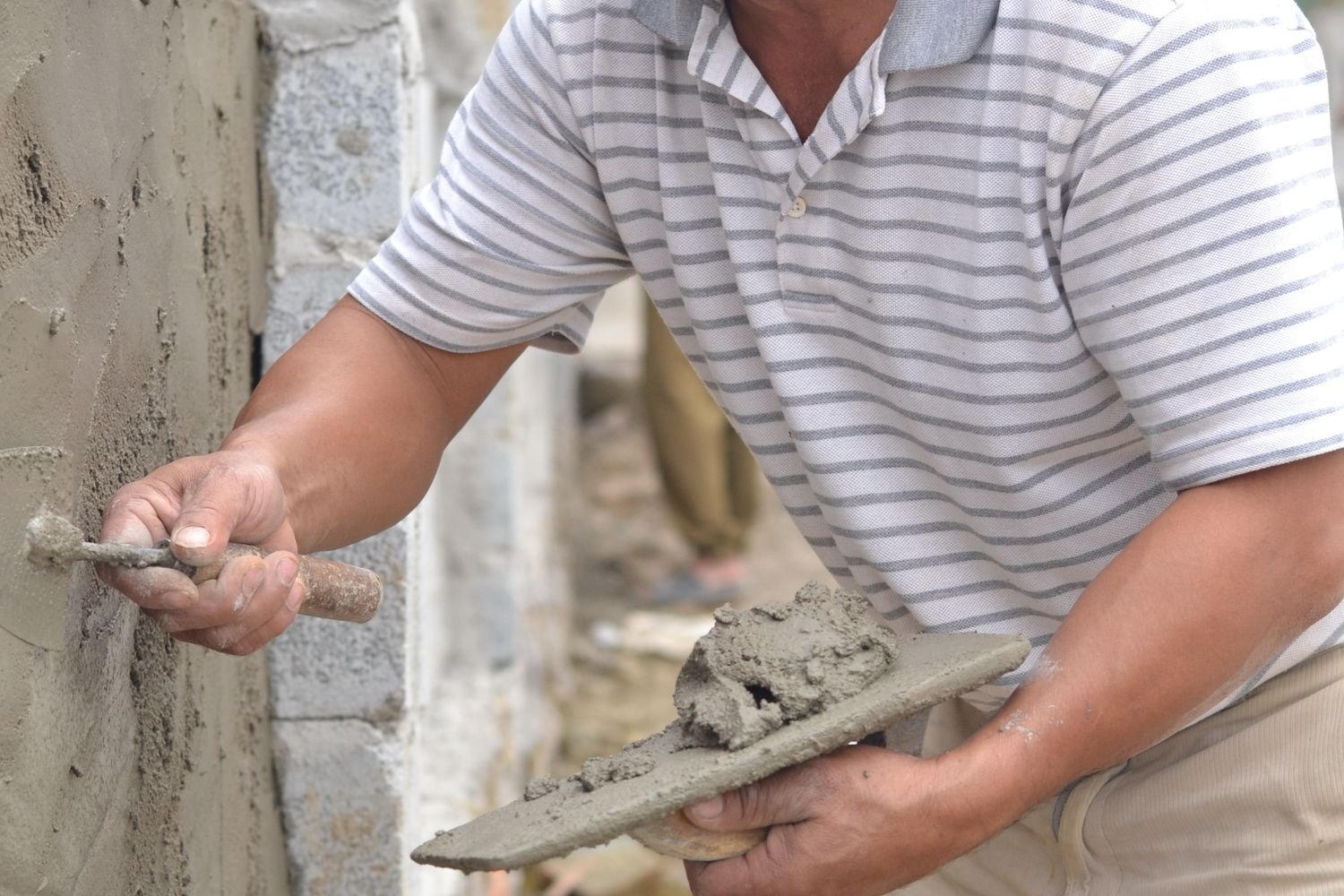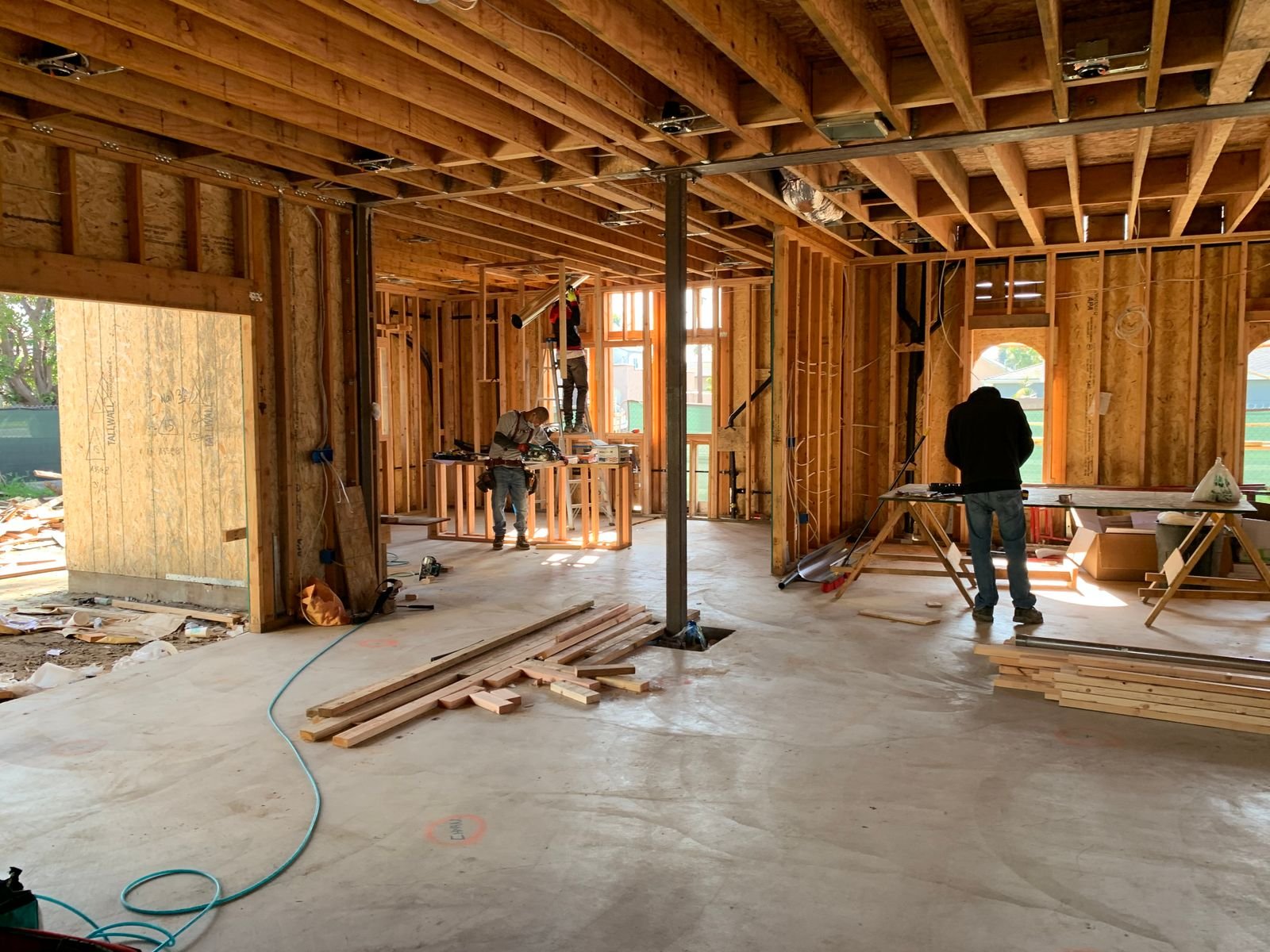
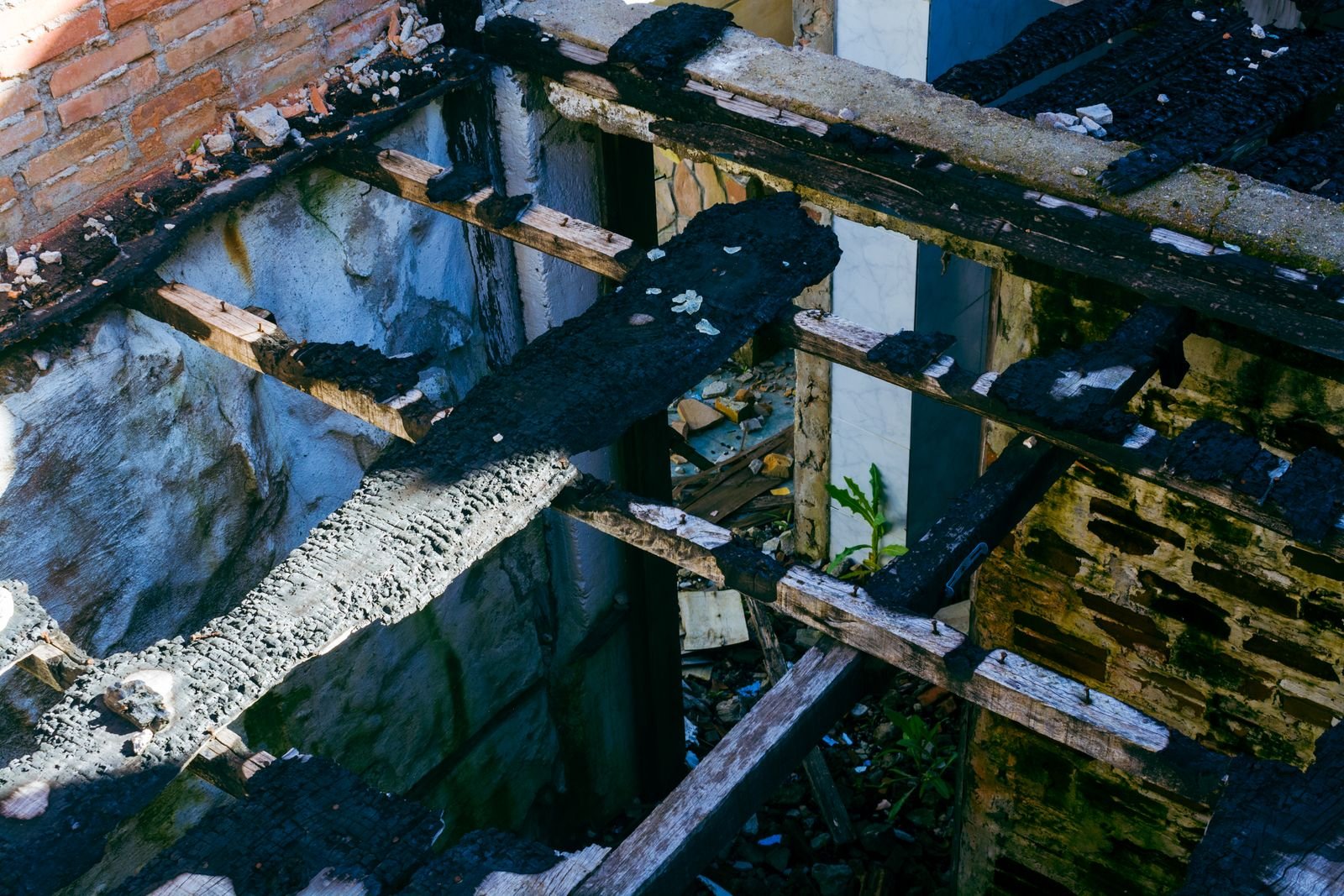
Fire and smoke damage can affect finishes, odors, surfaces, and building systems far beyond the immediate incident area. Once emergency response, cleanup, and specialized remediation are complete, Manhattan Kitchen & Bath can perform the interior reconstruction needed to restore a Hell's Kitchen residence or commercial space. We focus on rebuilding damaged rooms with a defined scope and coordinated finish plan.
Repair work may include replacing drywall, plaster, ceilings, insulation, flooring, doors, trim, cabinets, countertops, tile, and paint. Some materials may be cleaned and retained, while others require removal. We review the condition of adjacent areas so repaired sections do not end abruptly or create obvious mismatches. Kitchens and bathrooms may require full finish replacement when smoke, heat, or firefighting water has affected multiple components.
Hell's Kitchen buildings often contain several apartments or businesses close together, making management coordination essential. Insurance documentation, access approvals, elevator protection, disposal procedures, and work hours may all apply. Structural, electrical, plumbing, or fire-protection systems should be evaluated and repaired by the appropriate qualified professionals before decorative finishes are restored.
Manhattan Kitchen & Bath organizes the reconstruction after the property is cleared for interior work. We coordinate materials, protect unaffected areas, and complete the rebuild from rough surfaces through final painting and trim. For fire and smoke-damage repairs in Hell's Kitchen, our objective is to return the space to a safe, functional, and finished condition while keeping the restoration process clear and manageable.
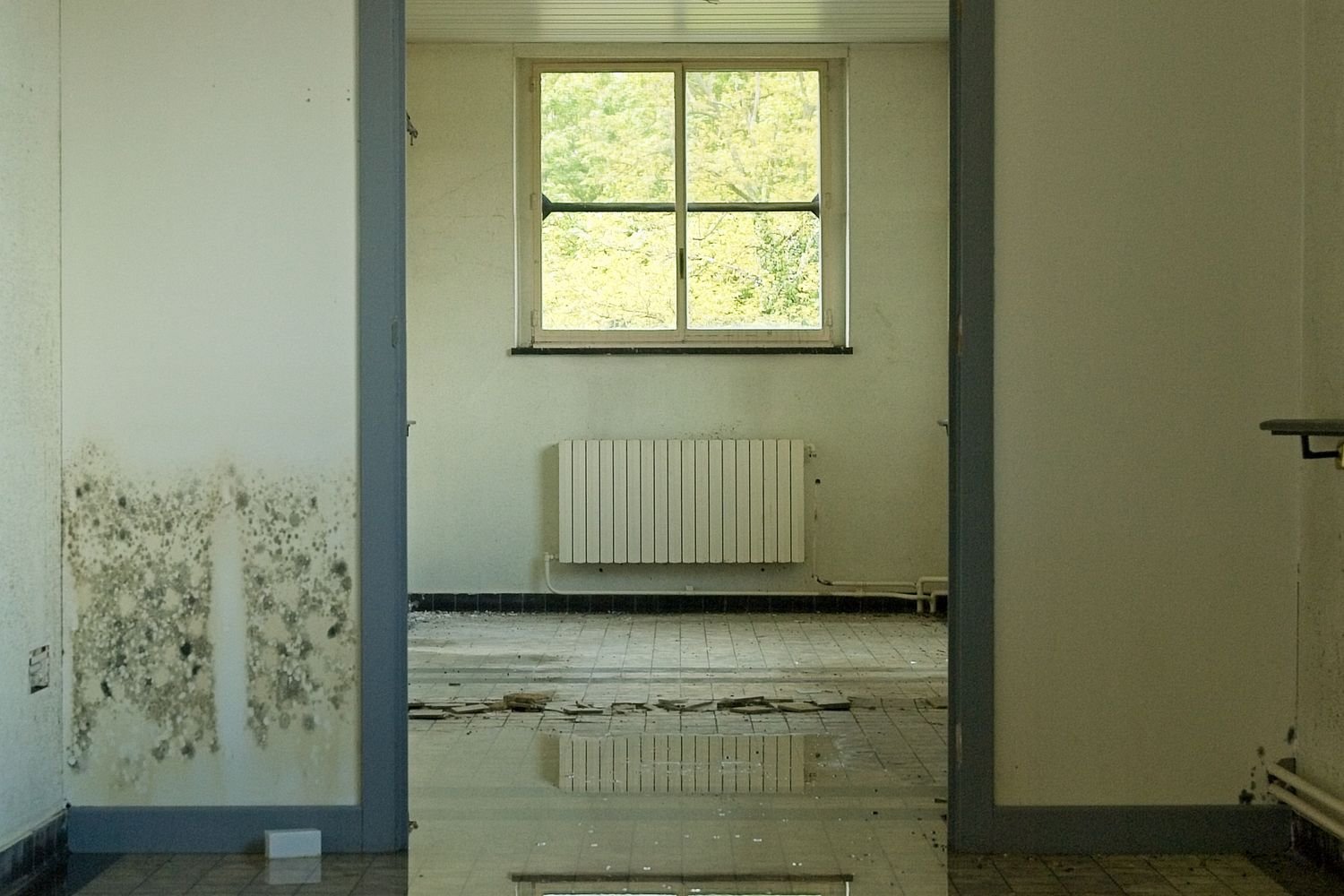
Finish selection after a fire can require more than matching one damaged surface. Smoke or water may affect connected rooms, and discontinued materials may make an exact replacement impossible. We help the owner compare repair, partial replacement, and broader renovation options. In a Hell's Kitchen apartment or business, this planning can produce a more consistent result and avoid obvious transitions between restored and unaffected areas. Decisions are documented before ordering so the reconstruction scope remains clear.