Scheduling, Access and Occupied-Home Considerations
When a Jefferson Valley property needs water-damage repairs, the project should be treated as a coordinated construction decision rather than a collection of unrelated product choices. Manhattan Kitchen & Bath approaches this search intent as repairing interior building materials after water intrusion once the source and drying needs are addressed. Water-damage repair should not begin with cosmetic patching; reconstruction is most reliable after the source, wet materials and moisture conditions have been properly evaluated. For Jefferson Valley, that means combining room-specific design decisions with the realities of a northern Westchester property: existing construction can vary, access can be different from one house to the next, and the work may need to be scheduled around commuting, family routines or business operations. The objective is a finished space that feels appropriate to the property instead of looking like a generic design transplanted from somewhere else.
This page is intentionally written for Jefferson Valley rather than created by swapping a location name into a standard service template. It focuses on the questions a property owner is likely to face when deciding what to keep, what to replace, how to sequence the work, which selections must be made early, and where local permit or inspection requirements may come into play. Not every project needs every trade or every permit, and exact requirements should be confirmed for the actual address and scope. The useful goal is to create enough clarity before construction that pricing, selections, scheduling and expectations can all refer back to the same defined plan.
Quality Control and Final Detailing
Jefferson Valley is a northern Westchester community within the Town of Yorktown and one of the Town's five business hamlets. For remodeling planning, that matters because the area includes several different project settings: single-family residential streets, multi-family buildings and co-ops around Lee Boulevard, and commercial properties along U.S. Route 6. The Route 6 and Lee Boulevard commercial area can create different access, delivery, parking and work-hour considerations from a detached home on a quieter residential street. These are useful planning cues, not assumptions about any individual property; the actual building type, ownership rules, utilities and site conditions should always be confirmed before pricing or construction.
The Town of Yorktown identifies the intersection of U.S. Route 6 with East and Hill Boulevards as the Route 6 and Lee Boulevard commercial area area. Town planning documents have discussed traffic, parking, pedestrian conditions and redevelopment in this part of Jefferson Valley. For a remodeling project, the practical lesson is that staging should be planned around the actual address: a house with a driveway may allow straightforward deliveries, while an apartment, co-op, condo, storefront or office may require elevator reservations, loading coordination, limited debris routes, building protection, or communication with management. Interior work should therefore be sequenced around access and occupancy as carefully as it is sequenced around trades.
Budget, Value and Scope Priorities
A detailed discussion of defining the exact project scope for water-damage repairs gives Jefferson Valley homeowners a better way to evaluate proposals for water-damage repairs. Instead of asking only what the new finish will look like, ask how cabinet repair is being coordinated, what happens if the crew encounters mismatched finishes, and how the selected appropriate insulation will perform under normal use. From a construction standpoint, good remodeling plans identify these questions before demolition whenever possible. The local setting also matters: wooded lots, seasonal weather and varied site access can affect deliveries, debris handling and the way an occupied home is protected during construction. The actual interior scope still depends on the house, not the ZIP code. A disciplined workflow should include documentation, verification of dimensions, source confirmation, and a final review against the approved selections. This kind of preparation is not flashy, but it is what turns a design idea into work that can be installed cleanly, inspected where required, and maintained without unnecessary complications.
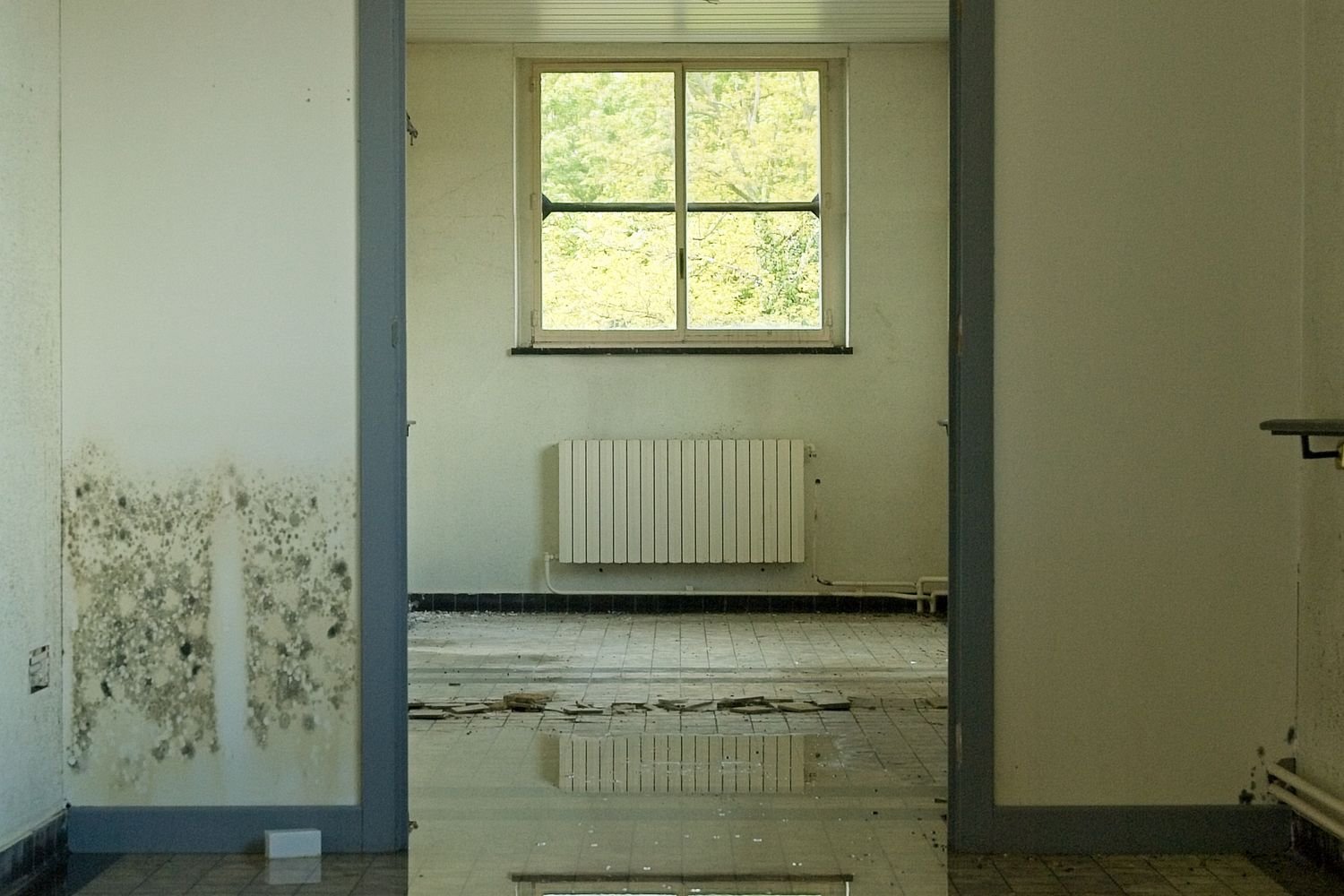
For this page's focus on water-damage repairs, measuring and documenting existing conditions before water-damage repairs should be handled as part of the construction scope rather than left for the end. The reason is simple: decisions involving drywall replacement can affect dimensions, lead times, adjacent finishes and even the order in which trades work. A material such as cabinet components may be a strong choice, but only when the substrate, edge conditions and maintenance expectations support it. During planning, premature reconstruction can create avoidable change orders or visual compromises if it is discovered after installation is underway. Jefferson Valley properties range in age, style and setting, so assumptions based on photographs alone are not enough. The more reliable approach is to field-measure, identify constraints, review selective removal, and document what has to be decided before ordering. That process also helps keep the finished room coherent with the rest of the home instead of making the renovated area feel disconnected from adjacent spaces.
A detailed discussion of coordinating selective demolition with drywall replacement gives Jefferson Valley homeowners a better way to evaluate proposals for water-damage repairs. Instead of asking only what the new finish will look like, ask how painting and finish restoration is being coordinated, what happens if the crew encounters hidden damage, and how the selected appropriate insulation will perform under normal use. From a construction standpoint, good remodeling plans identify these questions before demolition whenever possible. The local setting also matters: wooded lots, seasonal weather and varied site access can affect deliveries, debris handling and the way an occupied home is protected during construction. The actual interior scope still depends on the house, not the ZIP code. A disciplined workflow should include documentation, verification of dimensions, reconstruction, and a final review against the approved selections. This kind of preparation is not flashy, but it is what turns a design idea into work that can be installed cleanly, inspected where required, and maintained without unnecessary complications.
Jefferson Valley Remodeling Goals and Search Intent
Selecting materials such as replacement drywall and appropriate insulation is especially important for water-damage repairs because it determines whether the finished work feels intentional or merely new. That matters because, the project team should connect painting and finish restoration, appropriate insulation, and the surrounding finishes instead of approving each item independently. One of the most common planning risks is mismatched finishes; catching that issue during measurement or selective investigation is usually less disruptive than solving it after fabrication or finish work has started. Jefferson Valley is a northern Westchester community within the Town of Yorktown and one of the Town's five business hamlets. This does not mean every property has the same conditions, so field verification remains essential. A useful planning sequence is to document the existing condition, confirm the desired result, coordinate drying verification, and then lock selections that affect dimensions or rough-in locations. Homeowners comparing work in Jefferson Valley with nearby areas such as Cross River should focus less on generic style trends and more on durability, compatibility with the house, and details that will still make sense years after the renovation is complete.
Planning around trapped moisture and hidden damage is especially important for water-damage repairs because it determines whether the finished work feels intentional or merely new. Before materials are ordered, the project team should connect painting and finish restoration, replacement drywall, and the surrounding finishes instead of approving each item independently. One of the most common planning risks is hidden damage; catching that issue during measurement or selective investigation is usually less disruptive than solving it after fabrication or finish work has started. Yorktown identifies Jefferson Valley as one of its five business hamlets, with substantial retail and commercial activity along and near U.S. Route 6. This does not mean every property has the same conditions, so field verification remains essential. A useful planning sequence is to document the existing condition, confirm the desired result, coordinate reconstruction, and then lock selections that affect dimensions or rough-in locations. Homeowners comparing work in Jefferson Valley with nearby areas such as Croton Falls should focus less on generic style trends and more on durability, compatibility with the house, and details that will still make sense years after the renovation is complete.
For this page's focus on water-damage repairs, sequencing source confirmation and drying verification should be handled as part of the construction scope rather than left for the end. The reason is simple: decisions involving insulation replacement can affect dimensions, lead times, adjacent finishes and even the order in which trades work. A material such as primer and finish coatings may be a strong choice, but only when the substrate, edge conditions and maintenance expectations support it. Before materials are ordered, hidden damage can create avoidable change orders or visual compromises if it is discovered after installation is underway. Jefferson Valley properties range in age, style and setting, so assumptions based on photographs alone are not enough. The more reliable approach is to field-measure, identify constraints, review reconstruction, and document what has to be decided before ordering. That process also helps keep the finished room coherent with the rest of the home instead of making the renovated area feel disconnected from adjacent spaces.
How This Service Fits Jefferson Valley Homes and Properties
A detailed discussion of maintaining clean transitions to adjacent rooms and existing finishes gives Jefferson Valley homeowners a better way to evaluate proposals for water-damage repairs. Instead of asking only what the new finish will look like, ask how cabinet repair is being coordinated, what happens if the crew encounters trapped moisture, and how the selected appropriate insulation will perform under normal use. For the homeowner, good remodeling plans identify these questions before demolition whenever possible. The local setting also matters: wooded lots, seasonal weather and varied site access can affect deliveries, debris handling and the way an occupied home is protected during construction. The actual interior scope still depends on the house, not the ZIP code. A disciplined workflow should include documentation, verification of dimensions, reconstruction, and a final review against the approved selections. This kind of preparation is not flashy, but it is what turns a design idea into work that can be installed cleanly, inspected where required, and maintained without unnecessary complications.
Balancing design preferences with durability and maintenance is especially important for water-damage repairs because it determines whether the finished work feels intentional or merely new. In practical terms, the project team should connect drywall replacement, cabinet components, and the surrounding finishes instead of approving each item independently. One of the most common planning risks is unresolved source conditions; catching that issue during measurement or selective investigation is usually less disruptive than solving it after fabrication or finish work has started. The hamlet includes wooded, low-lying and sloped terrain, so individual properties can vary significantly in drainage, access and site conditions. This does not mean every property has the same conditions, so field verification remains essential. A useful planning sequence is to document the existing condition, confirm the desired result, coordinate damage documentation, and then lock selections that affect dimensions or rough-in locations. Homeowners comparing work in Jefferson Valley with nearby areas such as Cross River should focus less on generic style trends and more on durability, compatibility with the house, and details that will still make sense years after the renovation is complete.
A detailed discussion of planning deliveries, staging, debris removal and daily protection gives Jefferson Valley homeowners a better way to evaluate proposals for water-damage repairs. Instead of asking only what the new finish will look like, ask how flooring repair is being coordinated, what happens if the crew encounters hidden damage, and how the selected replacement drywall will perform under normal use. From a construction standpoint, good remodeling plans identify these questions before demolition whenever possible. The local setting also matters: wooded lots, seasonal weather and varied site access can affect deliveries, debris handling and the way an occupied home is protected during construction. The actual interior scope still depends on the house, not the ZIP code. A disciplined workflow should include documentation, verification of dimensions, selective removal, and a final review against the approved selections. This kind of preparation is not flashy, but it is what turns a design idea into work that can be installed cleanly, inspected where required, and maintained without unnecessary complications.
Existing Conditions to Evaluate Before Work Starts
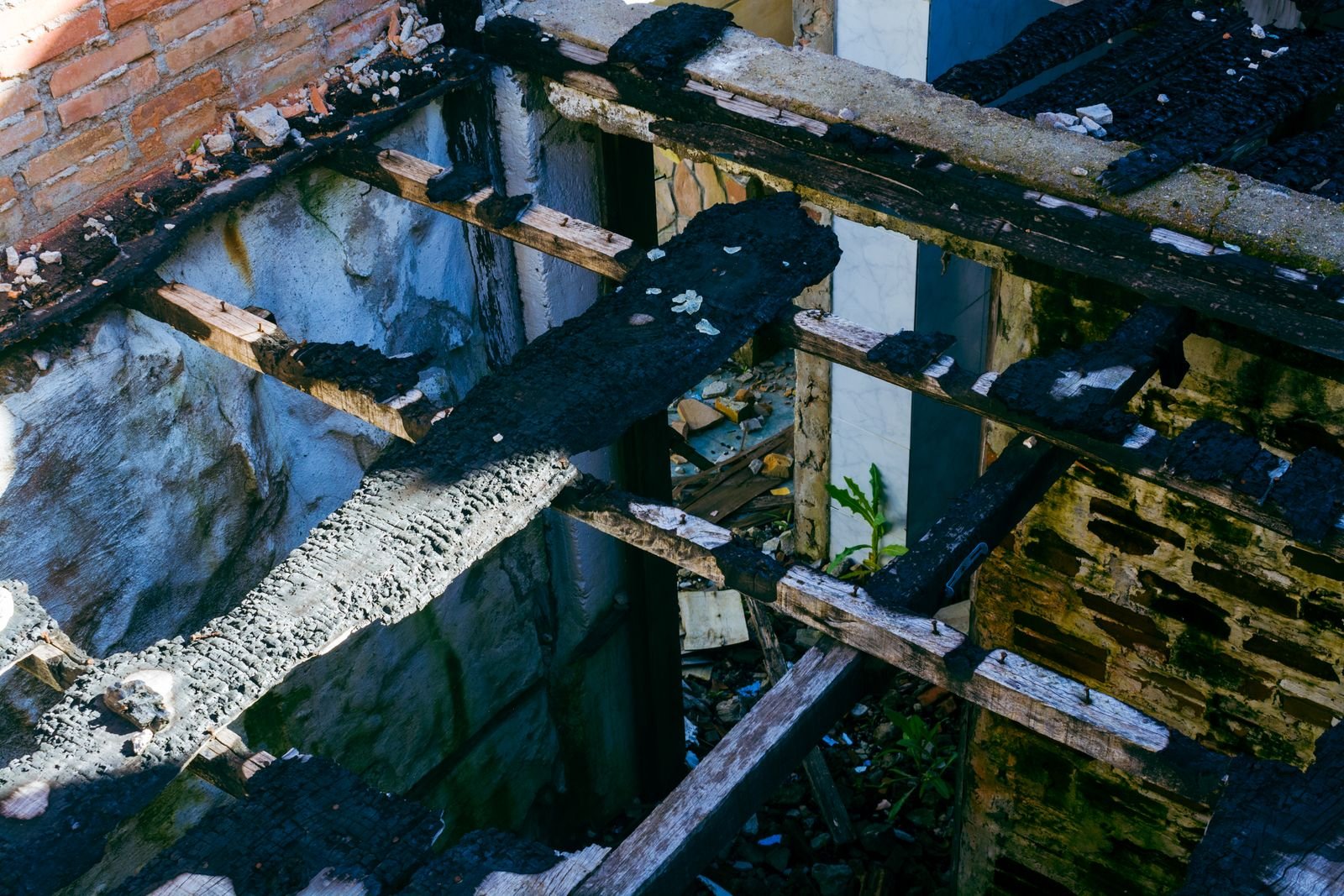
Jefferson Valley includes established homes, multifamily properties and commercial buildings around a busy northern Westchester transportation and retail setting. For water-damage repairs, the first step is to separate visible damage from the underlying cause and full repair boundary. Water can migrate beyond the first stained surface, smoke can affect concealed cavities and finishes, and a storm or plumbing event can expose pre-existing conditions. Documentation, selective opening, moisture or damage assessment, and a clear decision about what can remain versus what must be replaced should come before cosmetic reconstruction.

For water-damage repairs in Jefferson Valley, access and sequencing should be planned around the actual property. A detached home may offer straightforward staging, while a multifamily or commercial property near Route 6, Lee Boulevard or the Jefferson Valley Mall area may need tighter protection, delivery and debris-removal coordination. The repair plan should connect demolition, drying or cleaning, building systems, finish matching, code-triggered work, insurance documentation where applicable, and any Town of Yorktown permit or inspection requirements. The objective is a complete and buildable restoration plan rather than a surface-only patch.
For this page's focus on water-damage repairs, building a final punch list around function as well as appearance should be handled as part of the construction scope rather than left for the end. The reason is simple: decisions involving cabinet repair can affect dimensions, lead times, adjacent finishes and even the order in which trades work. A material such as replacement drywall may be a strong choice, but only when the substrate, edge conditions and maintenance expectations support it. During planning, hidden damage can create avoidable change orders or visual compromises if it is discovered after installation is underway. Jefferson Valley properties range in age, style and setting, so assumptions based on photographs alone are not enough. The more reliable approach is to field-measure, identify constraints, review selective removal, and document what has to be decided before ordering. That process also helps keep the finished room coherent with the rest of the home instead of making the renovated area feel disconnected from adjacent spaces.
Design, Layout and Everyday Use
When planning water-damage repairs, the practical role of selective demolition is one of the areas where early decisions save the most time later. For example, painting and finish restoration may look like a finish-level choice but can influence rough framing, electrical locations, plumbing alignment or clearances. Similarly, cabinet components should be selected with realistic expectations for cleaning, wear and repair. That matters because, the team should identify whether trapped moisture is present or likely before dependent work proceeds. Yorktown identifies Jefferson Valley as one of its five business hamlets, with substantial retail and commercial activity along and near U.S. Route 6. For projects inside occupied homes, that municipal context sits alongside practical concerns such as protecting circulation paths, keeping dust controlled and staging materials so the household is not overwhelmed. The project can then move through drying verification with fewer last-minute decisions. The goal is not to overcomplicate the renovation; it is to resolve the details that are expensive or disruptive to change once construction reaches the finish stage.
When planning water-damage repairs, the practical role of drywall replacement is one of the areas where early decisions save the most time later. For example, drywall replacement may look like a finish-level choice but can influence rough framing, electrical locations, plumbing alignment or clearances. Similarly, cabinet components should be selected with realistic expectations for cleaning, wear and repair. During planning, the team should identify whether mismatched finishes is present or likely before dependent work proceeds. Jefferson Valley is a northern Westchester community within the Town of Yorktown and one of the Town's five business hamlets. For projects inside occupied homes, that municipal context sits alongside practical concerns such as protecting circulation paths, keeping dust controlled and staging materials so the household is not overwhelmed. The project can then move through damage documentation with fewer last-minute decisions. The goal is not to overcomplicate the renovation; it is to resolve the details that are expensive or disruptive to change once construction reaches the finish stage.
For this page's focus on water-damage repairs, how to plan for trapped moisture should be handled as part of the construction scope rather than left for the end. The reason is simple: decisions involving flooring repair can affect dimensions, lead times, adjacent finishes and even the order in which trades work. A material such as replacement drywall may be a strong choice, but only when the substrate, edge conditions and maintenance expectations support it. Before materials are ordered, unresolved source conditions can create avoidable change orders or visual compromises if it is discovered after installation is underway. Jefferson Valley properties range in age, style and setting, so assumptions based on photographs alone are not enough. The more reliable approach is to field-measure, identify constraints, review source confirmation, and document what has to be decided before ordering. That process also helps keep the finished room coherent with the rest of the home instead of making the renovated area feel disconnected from adjacent spaces.
Materials and Finish Selection
How to plan for hidden damage is especially important for water-damage repairs because it determines whether the finished work feels intentional or merely new. For a clean final result, the project team should connect drywall replacement, primer and finish coatings, and the surrounding finishes instead of approving each item independently. One of the most common planning risks is unresolved source conditions; catching that issue during measurement or selective investigation is usually less disruptive than solving it after fabrication or finish work has started. Jefferson Valley is a northern Westchester community within the Town of Yorktown and one of the Town's five business hamlets. This does not mean every property has the same conditions, so field verification remains essential. A useful planning sequence is to document the existing condition, confirm the desired result, coordinate finish matching, and then lock selections that affect dimensions or rough-in locations. Homeowners comparing work in Jefferson Valley with nearby areas such as Cross River should focus less on generic style trends and more on durability, compatibility with the house, and details that will still make sense years after the renovation is complete.
Building Systems and Technical Coordination
Permits, Documentation and Local Project Logistics
A Practical Step-by-Step Remodeling Process
Common Problems and How Better Planning Avoids Them
Our Remodeling Process for This Jefferson Valley Service
1. Damage documentation: define what this stage means for water-damage repairs, confirm who is responsible for decisions or approvals, and record any information that affects the next trade. The purpose is to prevent downstream work from relying on an assumption that has not been field-checked. In Jefferson Valley projects, this can also include coordinating access, delivery timing, protection of occupied areas and any municipal inspection that applies to the actual scope.
2. Source confirmation: define what this stage means for water-damage repairs, confirm who is responsible for decisions or approvals, and record any information that affects the next trade. The purpose is to prevent downstream work from relying on an assumption that has not been field-checked. In Jefferson Valley projects, this can also include coordinating access, delivery timing, protection of occupied areas and any municipal inspection that applies to the actual scope.
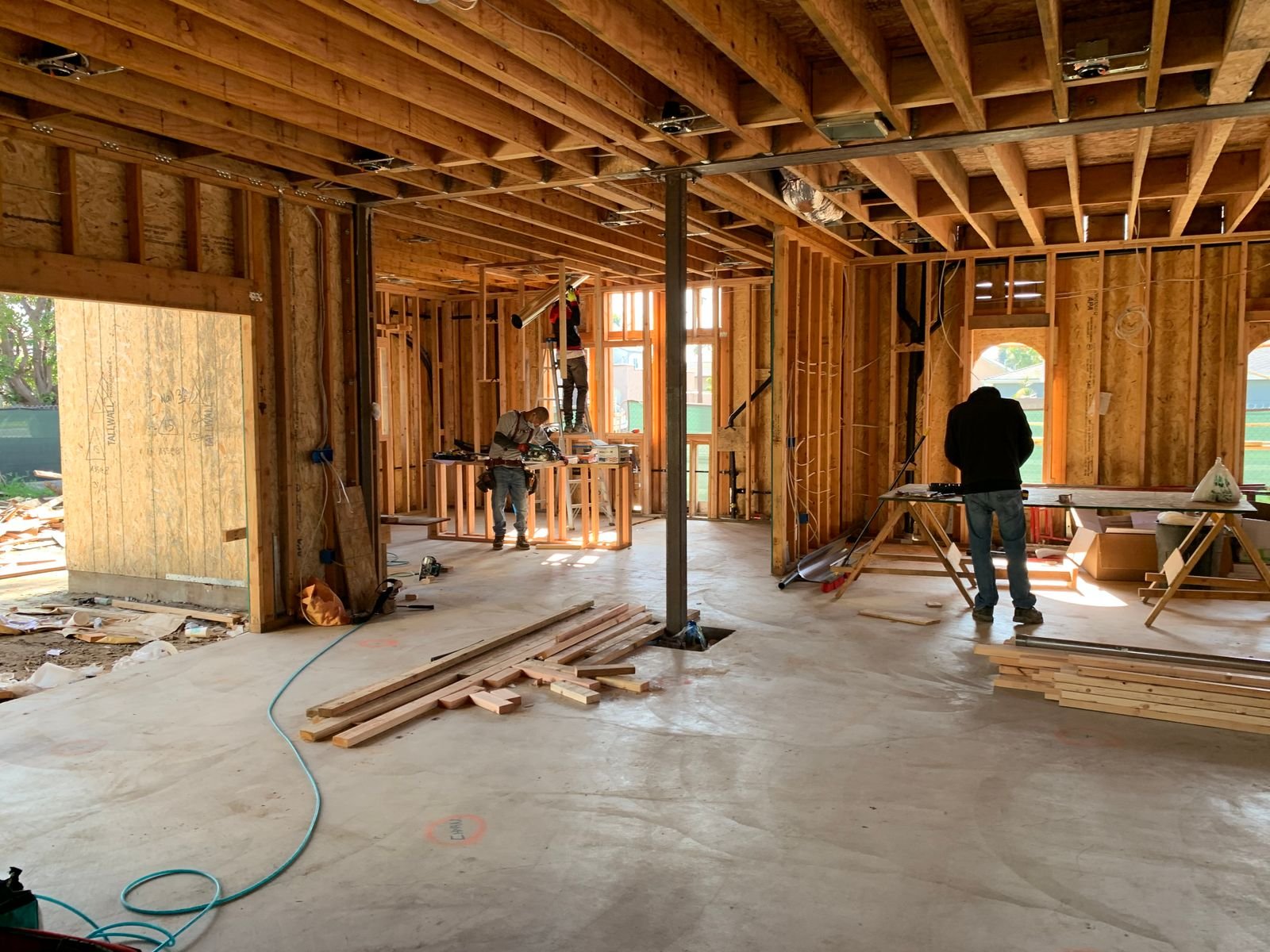
3. Drying verification: define what this stage means for water-damage repairs, confirm who is responsible for decisions or approvals, and record any information that affects the next trade. The purpose is to prevent downstream work from relying on an assumption that has not been field-checked. In Jefferson Valley projects, this can also include coordinating access, delivery timing, protection of occupied areas and any municipal inspection that applies to the actual scope.
4. Selective removal: define what this stage means for water-damage repairs, confirm who is responsible for decisions or approvals, and record any information that affects the next trade. The purpose is to prevent downstream work from relying on an assumption that has not been field-checked. In Jefferson Valley projects, this can also include coordinating access, delivery timing, protection of occupied areas and any municipal inspection that applies to the actual scope.
5. Reconstruction: define what this stage means for water-damage repairs, confirm who is responsible for decisions or approvals, and record any information that affects the next trade. The purpose is to prevent downstream work from relying on an assumption that has not been field-checked. In Jefferson Valley projects, this can also include coordinating access, delivery timing, protection of occupied areas and any municipal inspection that applies to the actual scope.
6. Finish matching: define what this stage means for water-damage repairs, confirm who is responsible for decisions or approvals, and record any information that affects the next trade. The purpose is to prevent downstream work from relying on an assumption that has not been field-checked. In Jefferson Valley projects, this can also include coordinating access, delivery timing, protection of occupied areas and any municipal inspection that applies to the actual scope.
Call to Action
Planning water-damage repairs in Jefferson Valley? Contact Manhattan Kitchen & Bath to discuss the existing space, your priorities, the level of finish you want, and the practical requirements of the project. A useful first conversation should clarify the scope, identify information that still needs to be field-verified, and outline the next steps for design, selections, pricing and scheduling.
Frequently Asked Questions
How early should I plan water-damage repairs in Jefferson Valley?
Start early enough to measure the existing space, define the scope, review selective demolition and drywall replacement, and identify selections with meaningful lead times. Projects involving structural, electrical, plumbing or mechanical changes may also need permit review, so the schedule should allow for documentation rather than assuming construction can start immediately.
Will I need a Town of Yorktown building permit?
Permit requirements depend on the exact scope. Jefferson Valley is within the Town of Yorktown, whose Building Department administers zoning and State building-code requirements, issues building permits and certificates of occupancy, and conducts code enforcement. Yorktown states that a building permit is required before a building or structure is erected, enlarged, altered or moved, subject to applicable exemptions. The Town also provides an online application portal for permit submissions and document uploads. Applications filed on or after December 31, 2025 must comply with the 2025 New York State building and energy codes. Plumbing, electrical, mechanical, fire-protection, occupancy, sign, exterior commercial or other regulated work can involve additional permits, reviews or inspections. Confirm the current requirements for the actual address and scope before work begins.
What is one issue that can change the scope after demolition?
A common example is trapped moisture. Existing conditions are not always visible during estimating, especially in rooms that have been renovated before. A proposal should explain how concealed conditions are handled so the homeowner understands the process if additional repair becomes necessary.
Is replacement drywall always the best material for this project?
Not automatically. Replacement drywall can be a strong option, but the right material depends on use, maintenance expectations, substrate, budget, surrounding finishes and the way the room is detailed. Product selection should follow those conditions rather than a one-size-fits-all recommendation.
Can the home or business remain in use during construction?
Often at least part of the property can remain usable, but the answer depends on the scope, dust level, utility shutdowns, demolition and safety. A phased plan, temporary protection and realistic daily cleanup standards can reduce disruption, but some stages are easier when the affected area is completely out of service.
How do I compare two remodeling proposals?
Compare the defined scope, allowances, exclusions, preparation work, permit responsibility, material assumptions, demolition limits, cleanup, schedule expectations and warranty language. The lowest total can be misleading if another proposal includes work that will otherwise appear later as a change order. A clear apples-to-apples scope is more useful than comparing a single bottom-line number.