Restaurant and cafe renovations in Midtown West require close coordination because customer areas, food-service operations, utilities, equipment, and regulatory requirements must work together in a neighborhood known for theaters, hotels, offices, and constant pedestrian traffic. Manhattan Kitchen & Bath provides interior construction and finish work for dining rooms, service counters, restrooms, employee areas, and selected back-of-house spaces.
The scope may include demolition, partitions, ceilings, flooring, tile, painting, counters, millwork, restroom renovation, and coordination around equipment or specialty trades. We help organize construction sequencing so framing, plumbing, electrical, ventilation, fire-protection work, surfaces, and equipment installation do not conflict. Materials should be selected for cleaning, durability, moisture exposure, and the level of traffic expected in the space.
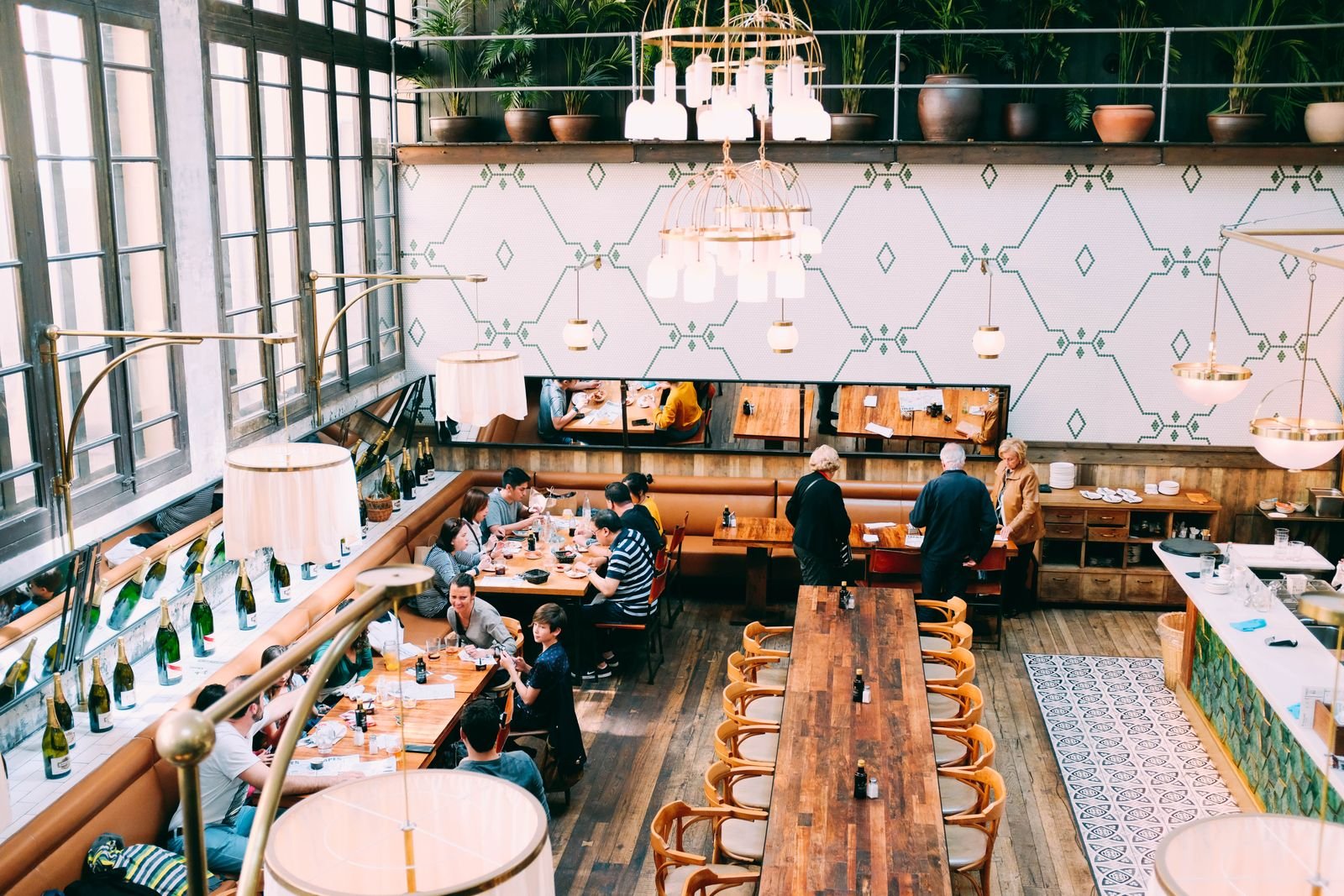
Midtown West restaurant locations may sit within office buildings, mixed-use properties, hotels, or street-level storefronts. Landlords and building managers can have strict rules concerning loading, deliveries, after-hours work, odors, noise, debris, and access to building systems. Restaurant projects can also involve professional drawings, permits, inspections, licensed trades, health requirements, accessibility standards, and other agency approvals depending on the exact operation. Manhattan Kitchen & Bath works as part of the project team and does not treat specialty approvals as ordinary cosmetic work.
Schedule planning is critical when rent has started or an opening date has been announced. We identify finish selections, fabrication items, and building dependencies early, then communicate about field conditions and decisions that could affect the timeline. Final punch-list work is coordinated before furniture, equipment, and inventory make access more difficult.
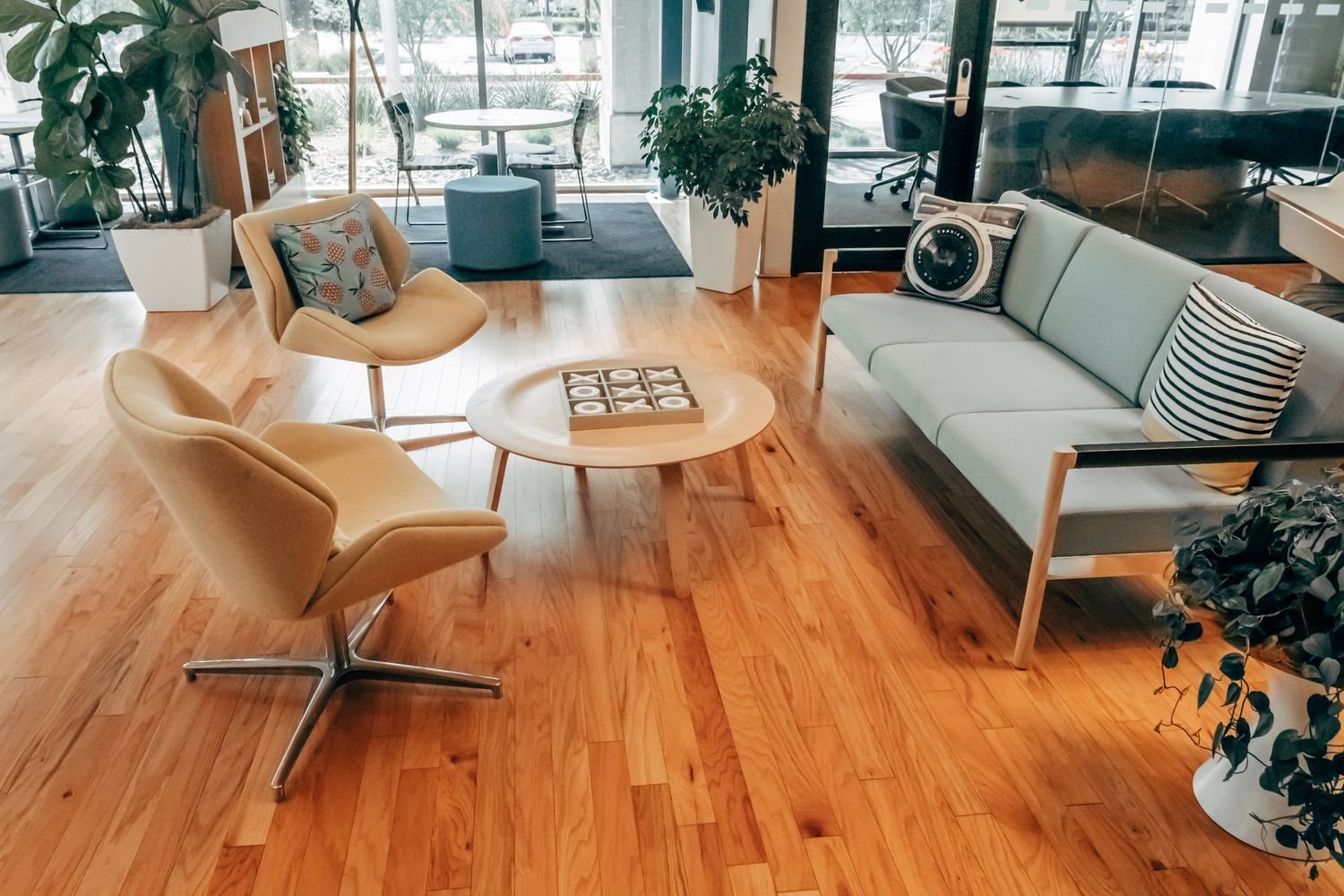
For Midtown West restaurant and cafe owners, Manhattan Kitchen & Bath delivers practical interior renovation management and detailed finish installation. We focus on creating a space that feels polished to customers, functions for staff, and is built around the operational realities of a busy Manhattan location.
The neighborhood's heavy evening and weekend activity can make phased work, off-hour deliveries, and clear separation between construction and customer areas essential.
For Midtown West commercial work, the construction schedule should also account for landlord reviews, long-lead finishes, technology vendors, furniture installation, and the tenant's operational date. Identifying these dependencies early gives the project team time to resolve conflicts, reserve building access, and complete corrections before employees, customers, equipment, or inventory occupy the renovated space.