Few updates change a home as completely as the floors. They cover every room, catch the light, and set the tone for everything placed on top of them. When existing floors start to look tired, homeowners face a genuine fork in the road: refinish what is already there, or tear it out and install something new. Both routes can produce a beautiful result, and both can be the wrong choice if applied to the wrong floor. The decision is less about which option is better in general and more about what your specific floors, home, and plans can support.
Start with what you actually have. In many Manhattan apartments and Westchester houses, the existing floors are solid hardwood that has been finished, worn, and possibly refinished before. Those floors often have plenty of life left in them, and refinishing can restore color, smoothness, and sheen at a lower disruption level than a full replacement. In other homes, the floors may be thin engineered planks, laminate, carpet over subfloor, or hardwood that is cupped, buckled, or damaged beyond what sanding can fix. In those cases, new installation is usually the honest answer. A good assessment looks at the floor itself, not just its appearance, and it happens before any materials are ordered.
When refinishing is the right call
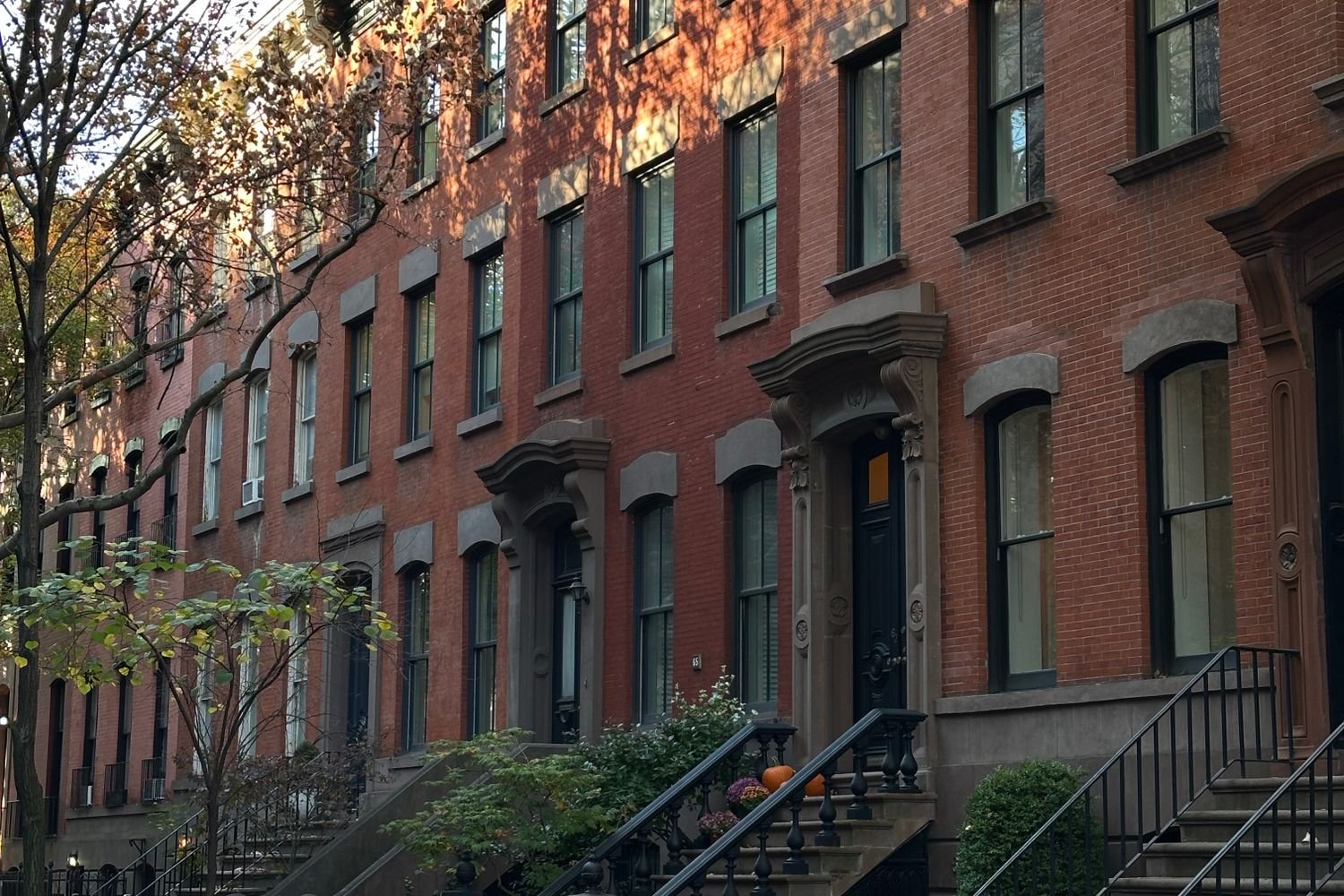
Refinishing makes the most sense when the wood underneath is sound. Surface scratches, dull finish, uneven sheen, light stains, and normal wear patterns are exactly what sanding and a new finish are designed to correct. Refinishing also preserves the character of older floors, including plank widths, grain patterns, and patina that are difficult or impossible to reproduce with new material. That matters in pre-war apartments in neighborhoods like Upper West Side, and in older Westchester homes in places like Bronxville and Scarsdale, where original floors are part of the home's appeal. Refinishing is also less disruptive in one important way: it keeps the existing floor height, which means doors, trim, transitions, and built-ins generally stay as they are. The trade-off is dust and drying time, plus a period when rooms must stay clear and foot traffic is limited. For homeowners who like their floors and simply want them to look cared for again, refinishing is often the smartest, least invasive path.
When new installation makes more sense
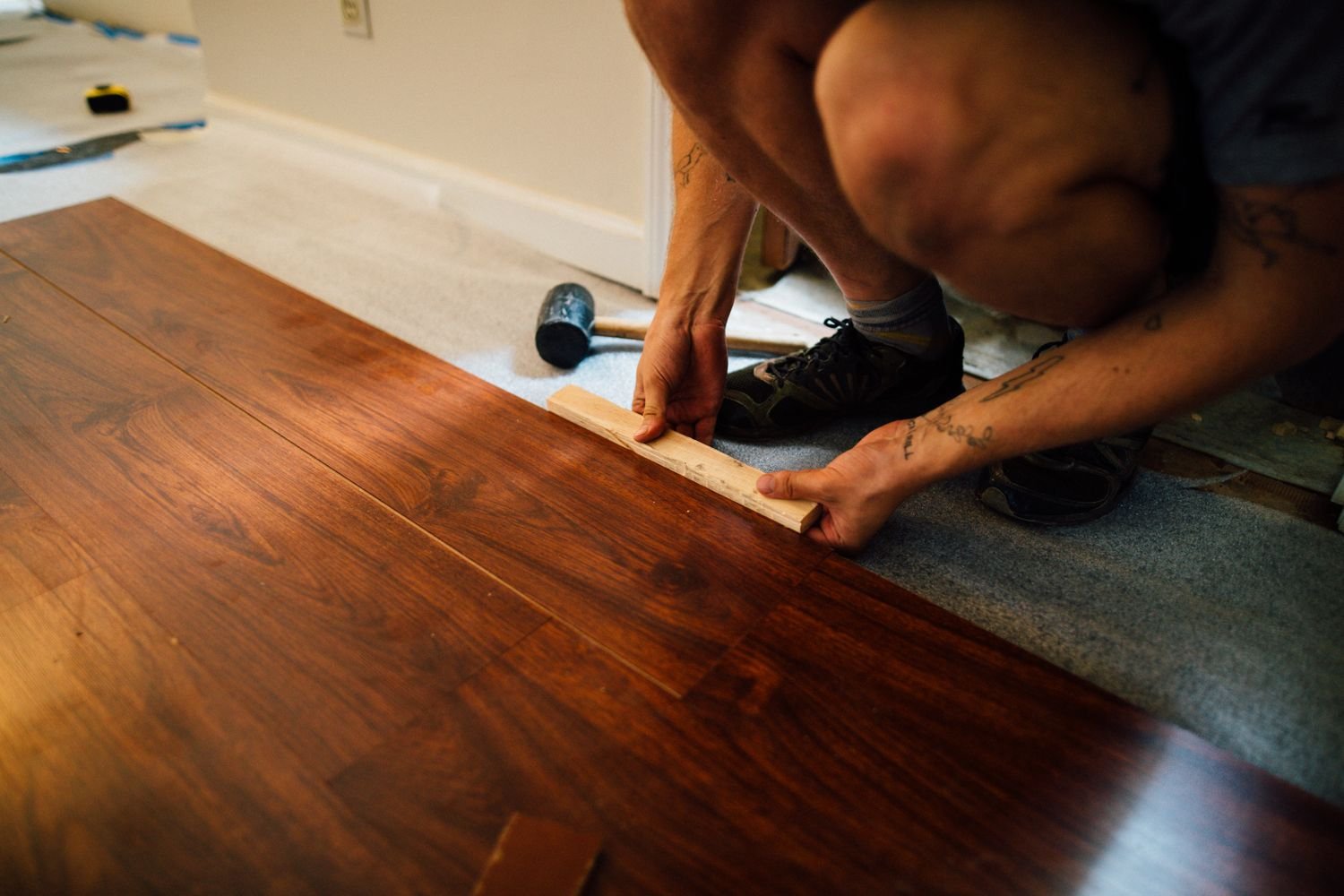
New installation earns its place when refinishing cannot solve the underlying problem. Floors that have been sanded down to a thin wear layer, boards that are warped or split, widespread water damage, or a subfloor that flexes and squeaks all point toward replacement rather than another round of sanding. Installation also makes sense when you want a fundamentally different look or layout: wider planks, a different wood species, a change from carpet to hardwood, or a consistent floor running through rooms that currently have mismatched materials. It is also the right choice when the existing floor is not wood at all and you want the warmth and longevity of hardwood. New floors do bring more disruption. Old material comes out, the subfloor is inspected and repaired, and the new floor must acclimate and be installed with careful attention to transitions and height changes. But when the old floor is at the end of its life, installing new is not an extravagance; it is the repair the home actually needs.
Practical factors: height, sound, and building rules
Beyond appearance, several practical details should shape the choice. Floor height matters more than people expect. A new floor that sits higher than the old one can affect door clearances, thresholds, and the fit of kitchen appliances. Refinishing avoids that problem entirely. Sound matters too, especially in apartment buildings. Many co-ops and condos require a specific underlayment or sound insulation standard for new installations, and some require board approval before hard flooring replaces carpet. Checking those rules early prevents an expensive surprise. Moisture is another factor. Kitchens, entryways, and below-grade rooms face more water exposure, and the right material for those spaces may differ from the rest of the home. Finally, think about the rest of your renovation. If you are already remodeling a kitchen or bathroom, coordinating floor installation with that work usually produces cleaner transitions and fewer return visits than doing floors as an isolated project months later.
A simple way to decide
Walk the floors slowly and ask a few honest questions. Is the damage mostly on the surface, or is it in the structure of the boards? Do you like the wood, the plank size, and the overall feel, or do you want something different? Is the floor level and quiet, or does it bounce, squeak, or slope? If the wood is solid, the structure is sound, and you like the look, refinishing is usually the answer. If the floor is failing, mismatched, or simply not what you want to live with, installation is the better investment. Either way, get the floors assessed in person before committing. A professional can measure wear thickness, check the subfloor, and tell you whether refinishing will actually hold up or whether you would be paying to polish a floor that needs replacing. Floors are a long-term decision, and a careful assessment at the start is what turns a good-looking result into one that still looks good years later.