
Not every plumbing leak announces itself with water on the floor. Many leaks hide inside walls, under floors, behind cabinets, or above ceilings, releasing small amounts of water over weeks or months. By the time a stain appears or a floor buckles, the damage behind the surface is often well advanced. Learning the quieter signs helps you catch a leak while the repair is still straightforward, rather than discovering it during a renovation or after a much larger failure.
Homes across Manhattan and Westchester are vulnerable in different ways. Older apartment buildings often have aging supply and drain lines running through shared walls, while single-family houses may have long runs of pipe in basements, crawl spaces, and exterior walls. In both cases, the signs below deserve attention, especially when more than one appears at the same time.
Unexplained changes in your water bill or meter
A water bill that rises without a change in household use is one of the most reliable early warnings of a hidden leak. Seasonal changes and guests can explain a temporary increase, but a sustained rise that does not match your habits is worth investigating. If your home has a water meter, you can check it when no water is being used: if the meter continues to move, water is going somewhere it should not be.
Listen as well as look. A faint hissing sound behind a wall or under a floor when no fixture is in use can indicate a pressurized supply leak. Toilets that refill on their own and faucets that drip persistently can also point to pressure or wear problems elsewhere. None of these signs proves a hidden leak, but each is a reason to have the system checked.
Stains, warping, and changes in surfaces
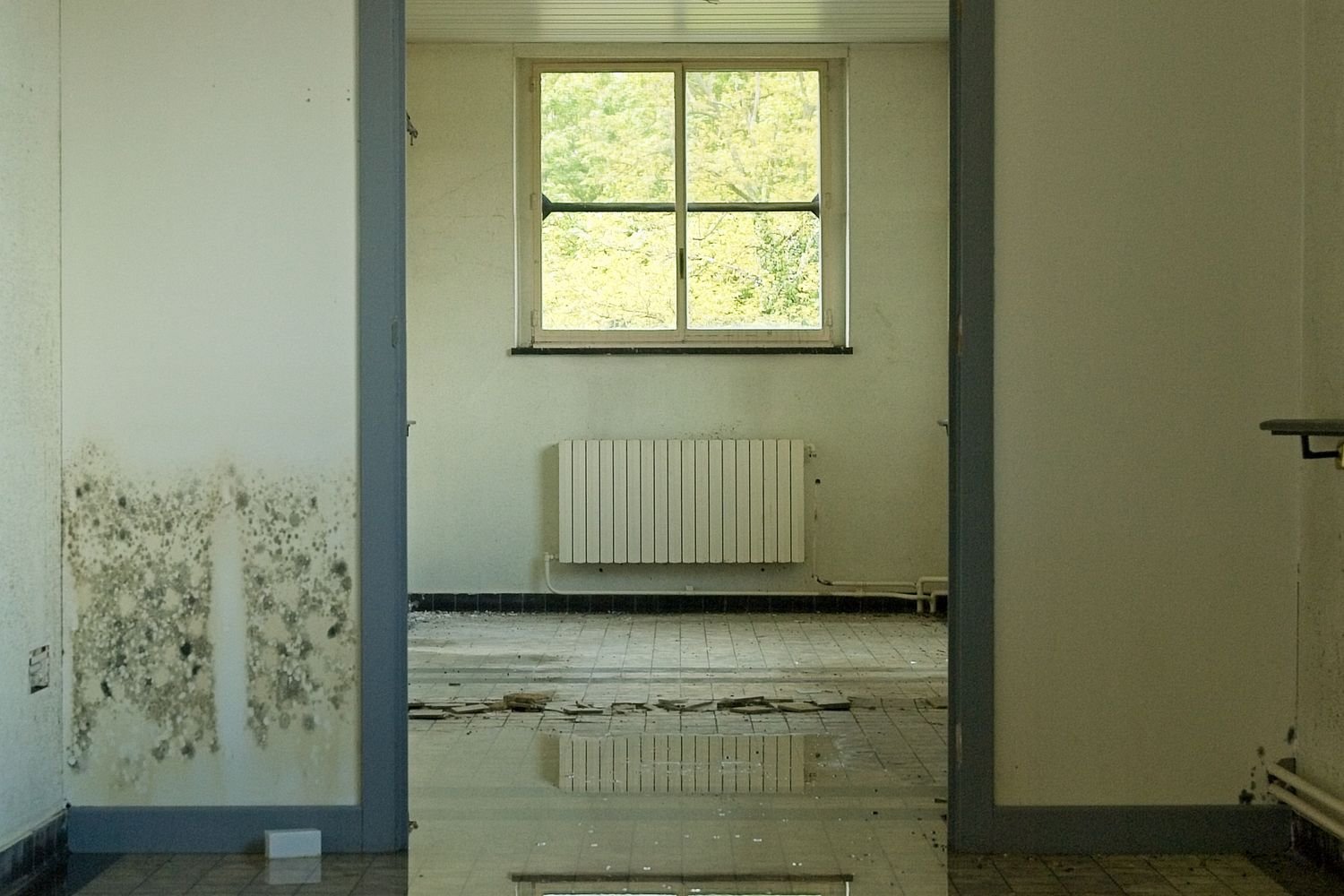
Water stains on ceilings and walls are the classic sign, but they are often subtle at first: a faint yellow or brown discoloration, a patch of paint that bubbles or peels, or wallpaper that lifts at a seam. A stain on a ceiling below a bathroom is a strong clue, since bathroom supply and drain lines are a common source. In kitchens, check the cabinet floor under the sink and around the dishwasher, where slow leaks can soak wood and go unnoticed behind stored items.
Flooring tells its own story. Hardwood that cups or buckles, tile grout that darkens or loosens, and vinyl that lifts at the edges can all indicate moisture from below. A floor that feels soft or uneven in one spot deserves a closer look, as does a baseboard that swells or shows staining at its lower edge. In a home in Tarrytown, a finished basement with carpet over concrete can hide moisture for a long time, since the carpet absorbs it and the concrete below stays damp.
Musty smells and persistent dampness
A musty odor that lingers in one room, closet, or cabinet, even after cleaning and ventilation, often points to moisture trapped somewhere out of sight. The smell may be strongest after rain, after a shower or laundry cycle, or when a cabinet door has been closed for a while. Dampness that returns to the same spot, condensation that forms on a particular section of wall, or a patch of wall that always feels cool and slightly damp to the touch are all worth noting.
These signs matter because hidden moisture affects more than the immediate area. It can soften drywall, damage framing and subflooring, and create conditions that are unhealthy to live with. The longer it continues, the more material needs replacing. If a musty smell persists and you cannot find its source, a professional with moisture-detection equipment can trace it without opening every wall.
What to do when you suspect a leak
Start by narrowing down the source. Note when the sign appears, whether it changes with use of a particular fixture, and whether it is worse after rain or only after indoor water use. Check accessible areas first: under sinks, around toilets, behind washing machines, near water heaters, and at any visible pipe joints. Look for corrosion, mineral buildup, or dampness at connections, and check that supply hoses to appliances are intact and not kinked or brittle.
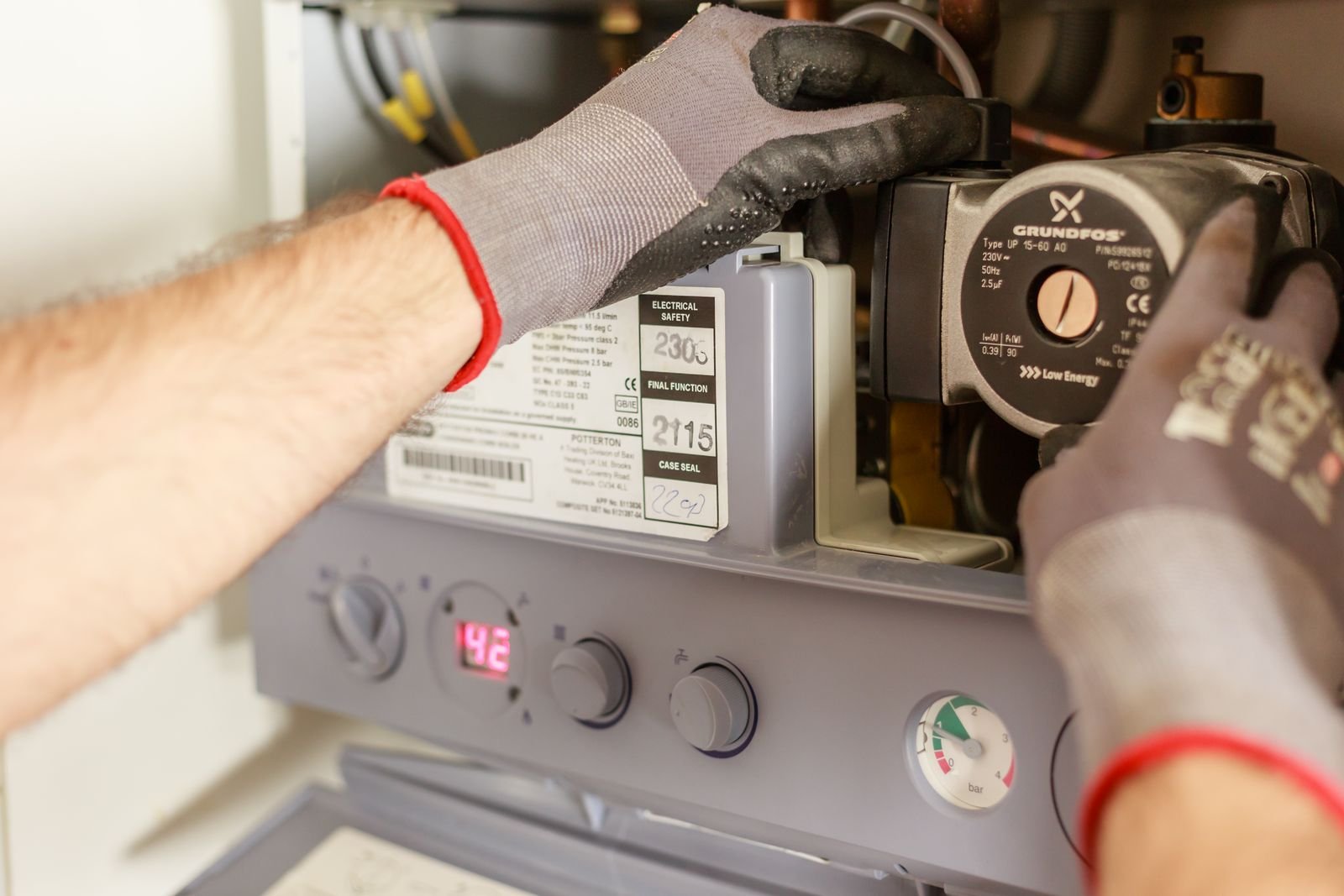
If you find an active leak, turn off the water supply to that fixture or, if necessary, to the home, and contact a plumber. If you suspect a leak but cannot locate it, a plumber or restoration professional can use moisture meters and, where appropriate, thermal imaging to find it with minimal disruption. In apartment buildings, including many in Upper East Side co-ops, a leak in one unit can show up in the unit below, so notifying building management promptly protects both your home and your neighbors.
After the leak is found
Fixing the pipe is only the first part of the job. The affected area needs to be dried thoroughly, including any material that absorbed water, before it is closed up again. Drywall, insulation, and flooring that stayed wet for an extended period may need to be removed and replaced, even if they look acceptable on the surface. Skipping the drying step and simply repairing the pipe and repainting the stain is a common way for a hidden problem to return.
Keep a record of what was found, repaired, and dried or replaced, with photographs of the damage before repair. That record is useful for insurance purposes if the loss is covered, and for any future work on the home. The best outcome from a hidden leak is an early one: a small repair, thorough drying, and no larger restoration project.