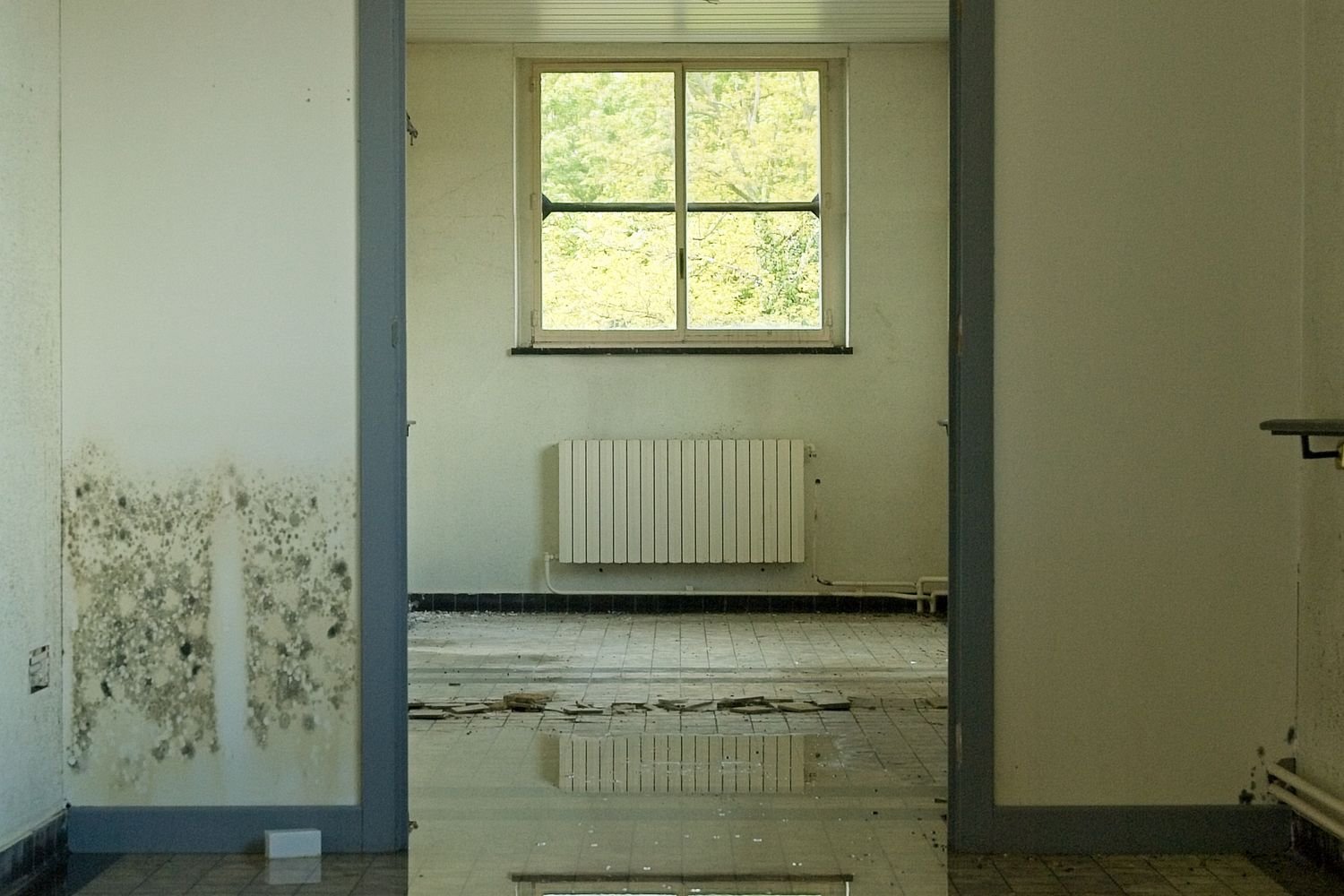
Water damage in a Midtown East apartment or commercial space can affect ceilings, walls, floors, cabinetry, paint, and electrical or plumbing components. Manhattan Kitchen & Bath provides interior repair and reconstruction after the source has been stopped and the affected area has been properly assessed and dried by the appropriate parties.
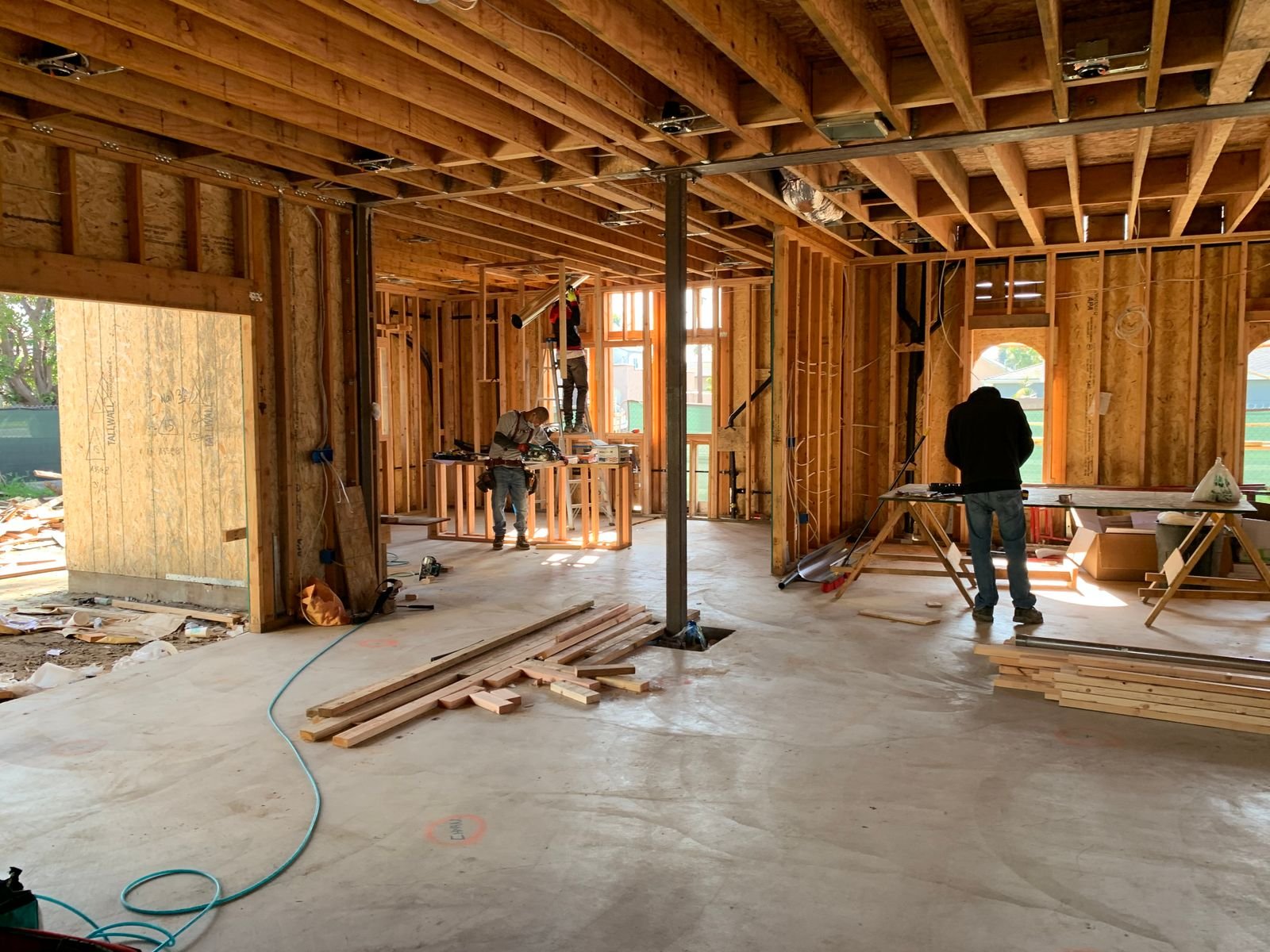
Our work may include selective demolition, drywall or plaster replacement, ceiling repairs, flooring replacement, cabinet repairs, trim, painting, and reconstruction of damaged kitchen or bathroom finishes. Before rebuilding, the scope should distinguish between materials that can remain and materials that must be removed. Active leaks, unresolved moisture, mold concerns, or unsafe electrical conditions should be addressed before cosmetic restoration begins.
Midtown East damage often involves more than one unit or a common building system. Coordination with building management, the superintendent, neighboring occupants, insurance representatives, and licensed trades may be necessary. Buildings may require certificates of insurance, access scheduling, protection plans, and approved work hours. Permits may apply depending on the extent of reconstruction and whether plumbing, electrical, structural, or other regulated work is included.
Documentation is important. Photographs, measurements, material descriptions, and a clear repair scope help the owner understand what is being rebuilt. Manhattan Kitchen & Bath focuses on the construction portion of the project; insurance coverage decisions, claim valuation, environmental testing, and emergency mitigation remain with the appropriate professionals and carriers.
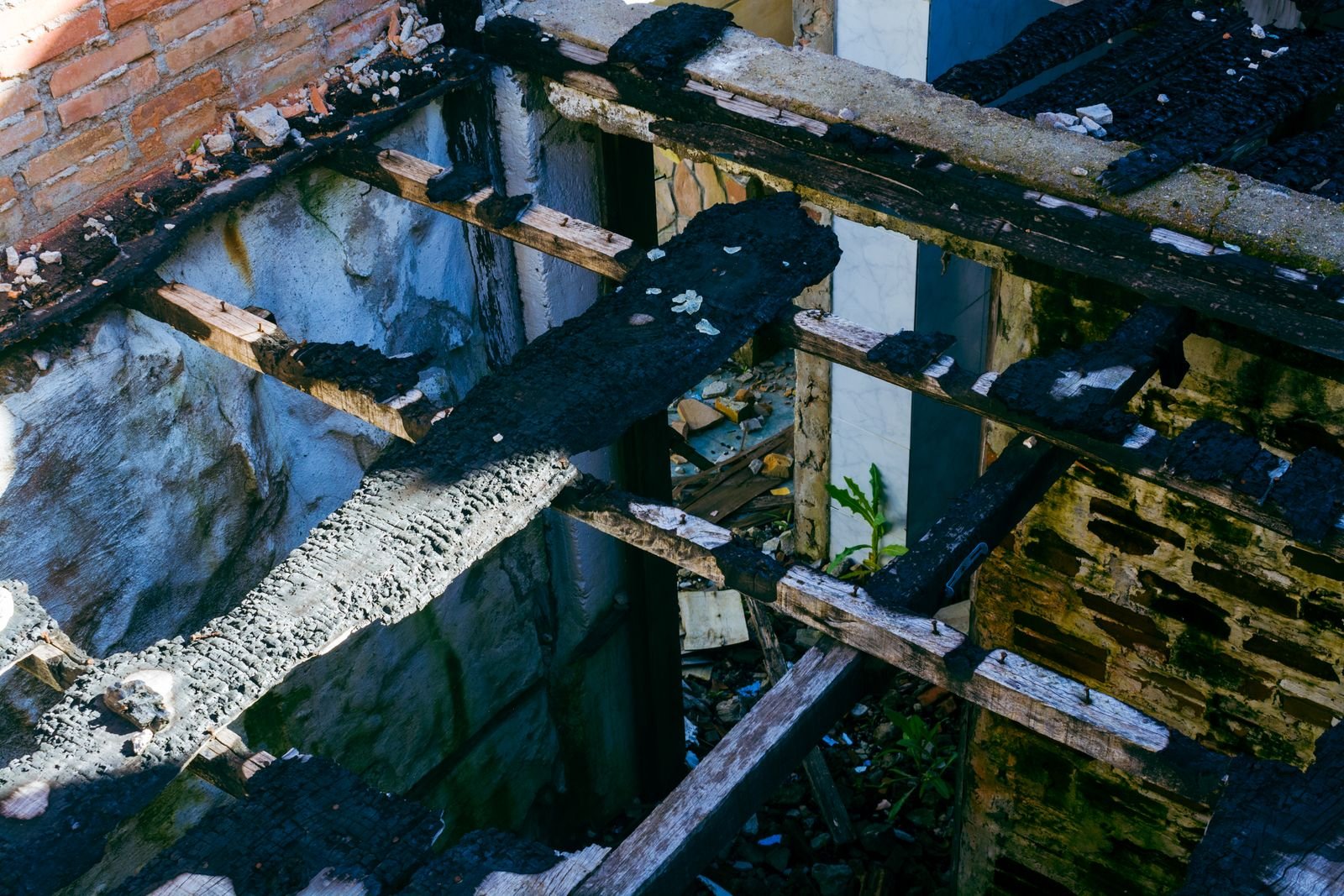
Our objective is to return the damaged Midtown East interior to a clean, functional, and finished condition. We coordinate repairs from preparation through paint and punch list, matching surrounding materials where practical and explaining when an exact match is not possible. Clients receive an organized reconstruction process after a disruptive event.
Before Midtown East reconstruction begins, the owner should also confirm that the approved scope reflects actual field conditions and required building procedures. Material availability, access, neighboring-unit coordination, and specialty inspections can influence the repair sequence. Clear decisions at this stage help avoid rebuilding an area twice and allow finishes to be ordered around realistic lead times and match limitations.