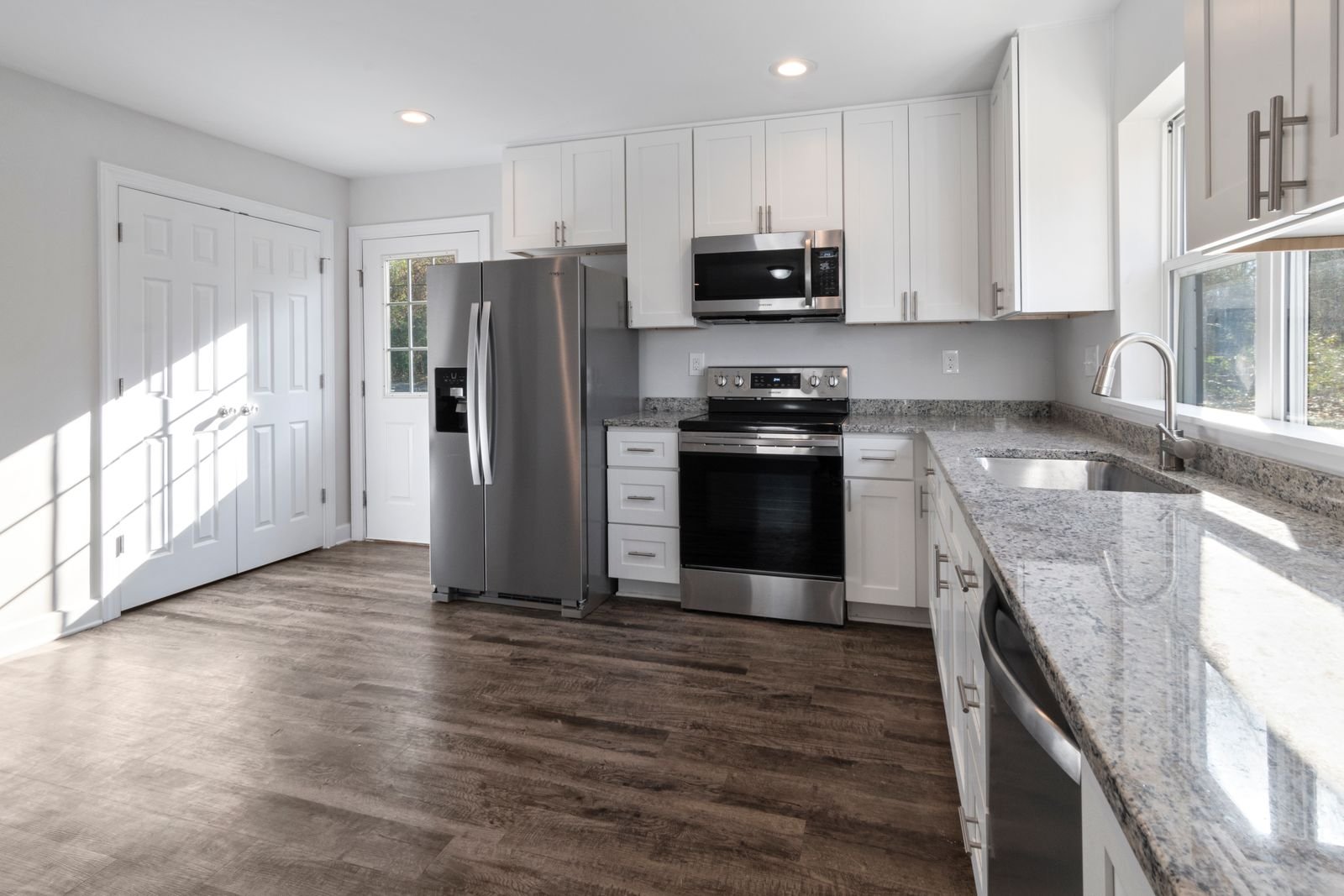
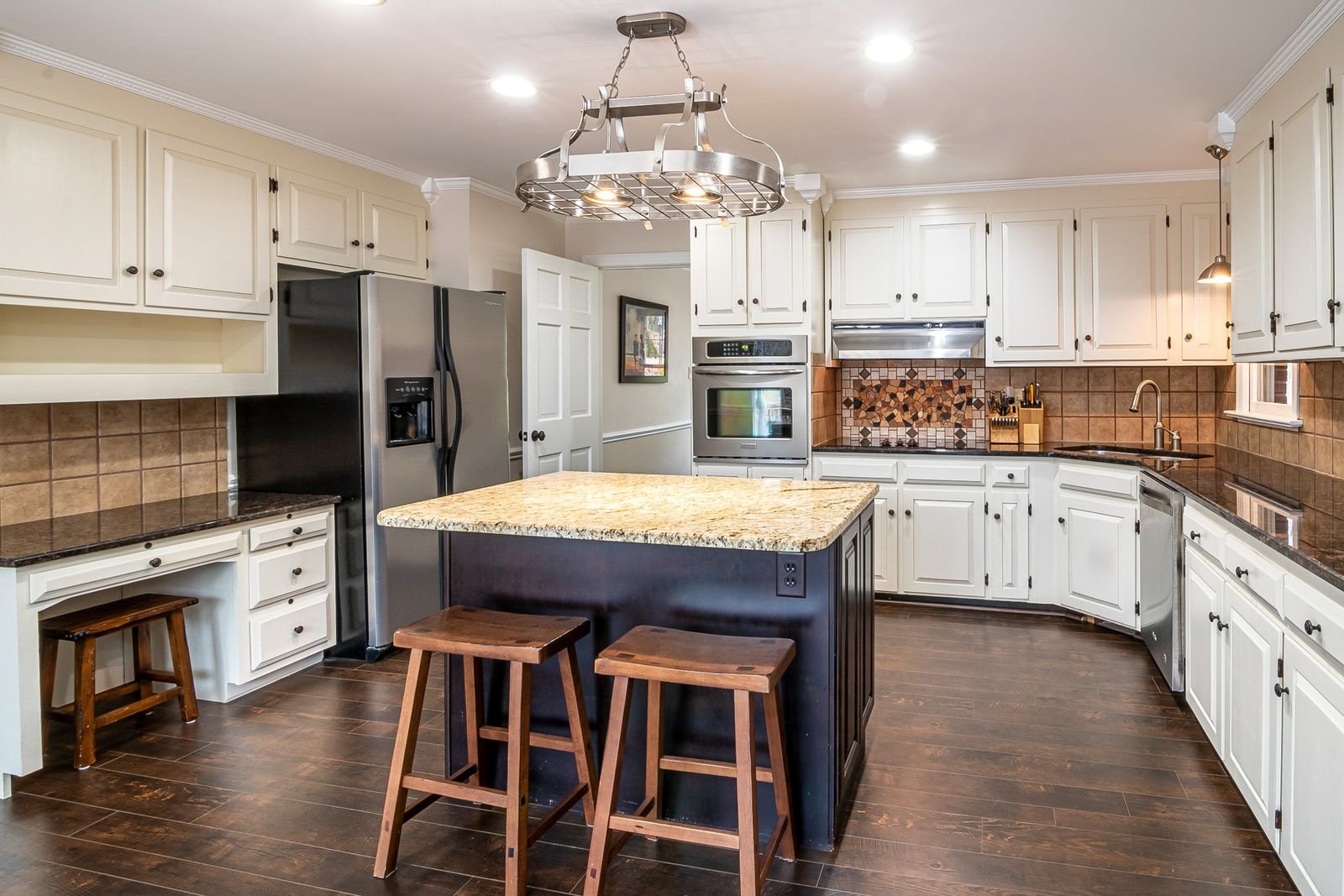
A family kitchen floor has a harder job than almost any other surface in the house. It gets splashed during cooking, tracked across with wet shoes, scratched by chair legs and pet claws, and hit by the occasional dropped plate or pot. It also has to feel good underfoot for the person standing at the counter, and it has to look good doing all of it. That is a lot to ask of one material, which is why the best kitchen flooring for a busy family is rarely the most delicate option or the cheapest one. It is the material that balances durability, comfort, maintenance, and appearance for the way your household actually lives.
Before comparing materials, it is worth thinking about what your kitchen floor really faces. Water is the first issue: sinks splash, dishwashers leak eventually, and spills happen daily. Foot traffic is the second: the path between the fridge, sink, and stove gets crossed hundreds of times a week. Comfort is the third, and it is easy to overlook until you have stood on a hard surface for an hour of meal preparation. A floor that is kind to feet and forgiving when something drops will make the kitchen more pleasant every single day.
Tile: the workhorse for spills and traffic
Porcelain tile is the classic family-kitchen workhorse for good reason. It handles water without worry, resists stains and scratches, and comes in an enormous range of looks, including convincing wood and stone effects. In a busy kitchen, tile shrugs off muddy shoes, pet accidents, and spilled juice in a way few other materials can. The trade-offs are hardness and grout. Tile is unforgiving underfoot during long cooking sessions and less forgiving when a glass drops, and grout lines need occasional cleaning to stay looking fresh. Larger-format tiles with narrow grout joints reduce that upkeep, and a cushioned mat at the sink and stove can solve much of the comfort issue. For households where spills and traffic are the main concern, tile remains hard to beat.
Hardwood and wood-look alternatives
Hardwood brings warmth and continuity, especially in open-plan homes where the kitchen flows into living areas and the same floor runs throughout. It feels comfortable underfoot and looks better with age in many homes, and a site-finished hardwood floor can be refinished down the line if it wears. The risk is water: standing spills, leaks, and tracked-in moisture can damage wood over time if they are not wiped up promptly. Engineered hardwood handles moisture a little better than solid wood, and high-quality luxury vinyl plank offers a wood look with far stronger water resistance, a softer feel underfoot, and good scratch resistance for pets. Vinyl plank has improved greatly in appearance, and for many families it is the practical compromise: the warmth of wood without the worry. In Westchester family homes around White Plains, where kitchens often open to living spaces, matching the kitchen floor to the rest of the home is a common goal, and these wood-look options make that easy.
Comfort, safety, and cleanup in daily use
Beyond the material itself, a few practical details make a big difference. Slip resistance matters in a room where water lands on the floor, so look for finishes and textures rated for wet areas rather than the glossiest option. A floor that is easy to sweep and mop will get cleaned more often, which keeps any material looking better longer. Consider how the floor meets the rest of the home: a flush transition into an adjoining room avoids tripping and makes the space feel larger, which matters in city apartments as well as suburban houses. Small Kips Bay kitchens benefit from lighter floors and larger tiles or planks that reduce visual clutter, while bigger kitchens can handle bolder patterns and darker tones without feeling closed in. Radiant heating under tile is also worth considering if you are already replacing the floor, since it transforms a hard surface into a warm one in winter.
Picking the right floor for your household
The right answer depends on your household. A home with young children and pets, where spills are constant and cleanup speed matters, will usually do best with porcelain tile or quality vinyl plank. A home where the kitchen is part of an open living space and visual flow matters most may favor hardwood or engineered wood, with a plan for wiping up spills promptly. A home where someone cooks for long stretches may prioritize comfort underfoot and add mats and softer materials into the mix. Ask for samples, walk on them in socks, spill a little water, and drag a chair across them before committing. The best family kitchen floor is not the one that photographs best on day one. It is the one that still looks good and feels good after years of real family life.