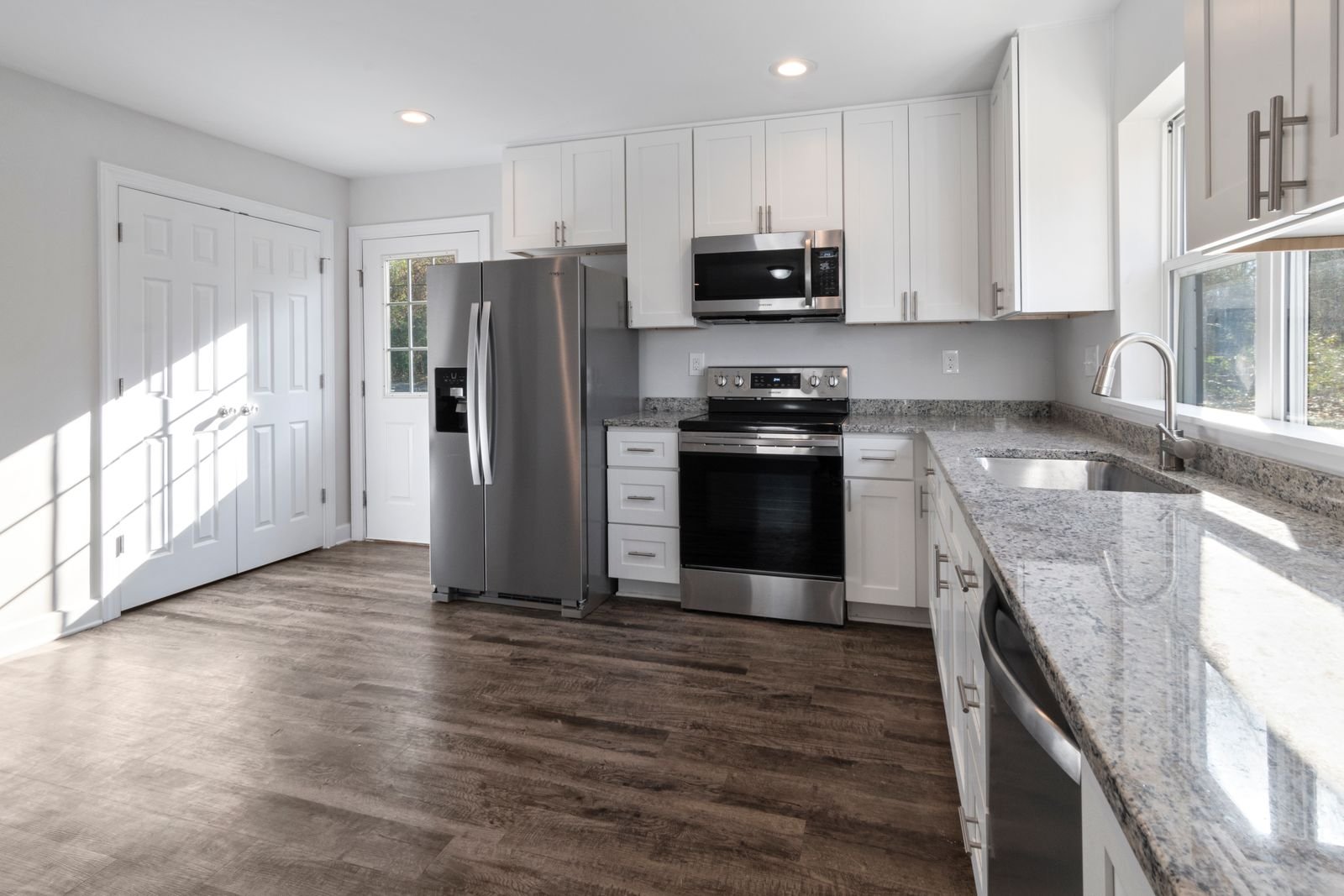
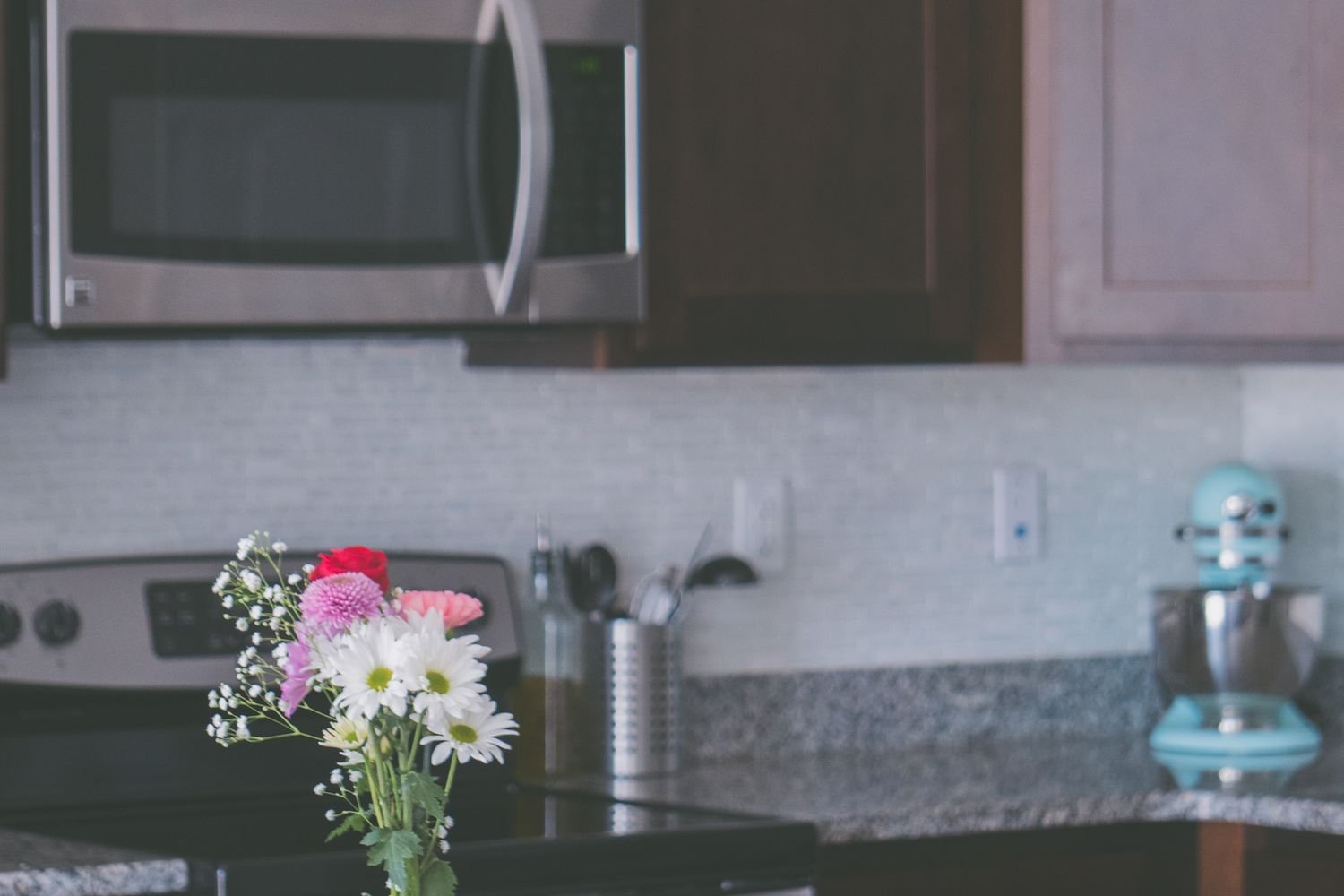
Countertops are the hardest-working surface in the kitchen and the one you see most, so choosing between quartz, granite, and marble deserves more than a quick look at samples. In a showroom, all three can look beautiful. In a real kitchen, with tomato sauce, hot pans, coffee rings, and homework spread across the island, they behave quite differently. The best choice is not the most expensive stone or the trendiest one. It is the material whose strengths match how you cook, how much maintenance you are willing to do, and how you feel about visible wear over time.
It helps to start with what each material actually is. Quartz countertops are engineered, made from crushed quartz bound with resin and formed into slabs with consistent patterns and colors. Granite is a natural stone, cut from quarried slabs, with each piece carrying its own veining and variation. Marble is also natural, softer and more porous than granite, and prized for its distinctive veining and cool, classic appearance. Those basic differences explain almost everything about how they perform day to day.
Quartz: consistency and low maintenance
Quartz is the easiest of the three to live with, which is why it is so popular in busy households. Because it is nonporous, it resists staining from coffee, wine, and cooking oils without sealing, and it cleans up with simple soap and water. The patterns are consistent from slab to slab, so what you choose in the showroom is very close to what arrives in your kitchen. That consistency is a real advantage in larger kitchens and in apartment kitchens where a single slab runs along a long wall. Quartz is durable for everyday use, though it is not invincible: it can be damaged by sustained high heat, so trivets for hot pans are a sensible habit, and very sharp impacts can chip an edge. For most families, though, quartz offers the calmest ownership experience, with good looks and little ongoing care.
Granite: natural character with sensible care
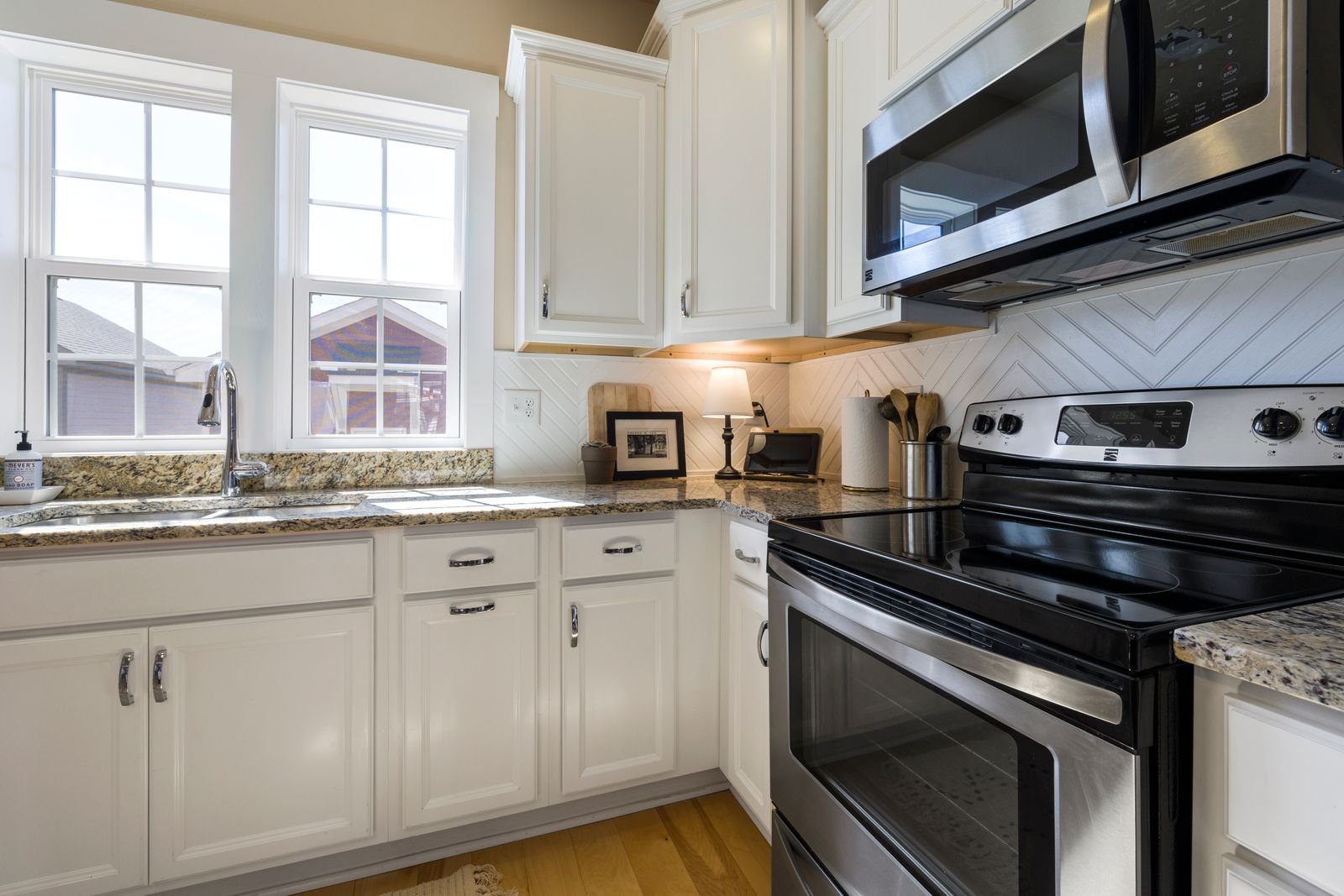
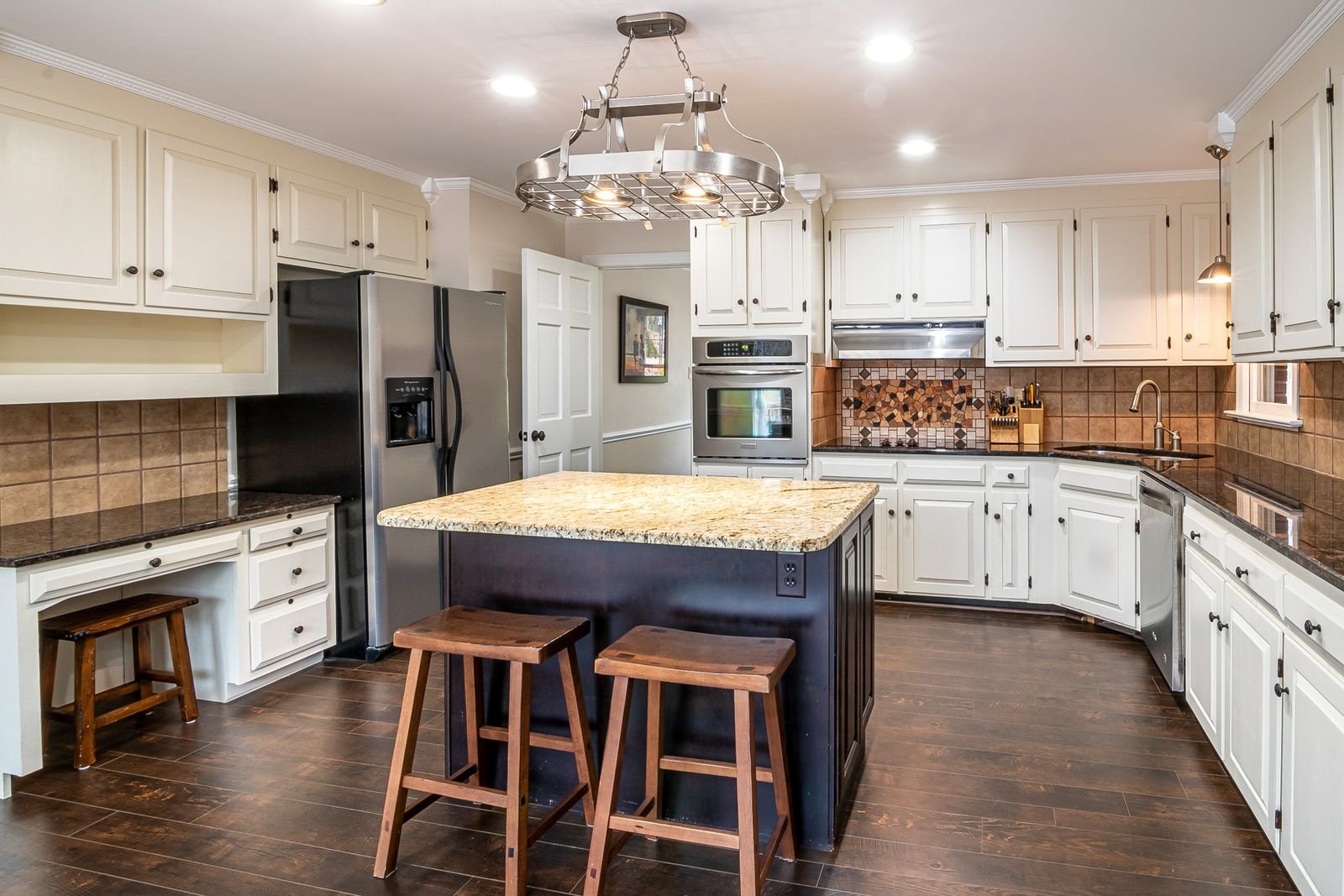
Granite offers something quartz cannot: a genuinely one-of-a-kind surface. Because each slab is natural, the veining, mineral flecks, and color shifts are unique to your kitchen, and many homeowners love that individuality. Granite is hard and handles heat better than quartz, so a hot pan is less of a worry, and it stands up well to daily cooking. It is porous, so it does need periodic sealing to resist stains, and lighter granites show stains more readily than darker ones if sealing lapses. In practice, sealing is a straightforward task and not a burden for most owners, but it is a commitment to remember. If you love natural stone, want a surface that can take serious cooking, and do not mind occasional upkeep, granite is a strong middle ground between quartz and marble. It suits both compact city kitchens and larger Westchester kitchens, including family homes around Chappaqua where the kitchen is the center of daily life.
Marble: beauty that shows its life
Marble is the most beautiful of the three to many eyes, and the most demanding. Its soft veining, luminous surface, and cool touch give a kitchen a classic, high-end feel that is hard to match, and it is a favorite for bakers because the surface stays naturally cool for pastry work. The trade-off is that marble is softer and more porous than granite, so it etches when acidic foods like lemon juice or vinegar sit on it, and it can stain if spills are left. Scratches and patina develop over time, and many marble owners come to see that lived-in character as part of the charm, while others find it frustrating. Marble works best in kitchens where the owners understand this bargain going in and either accept the patina or are prepared to be careful and maintain the surface diligently. In a small Greenwich Village apartment kitchen used mainly for lighter cooking, marble can be a lovely choice. In a heavy-use family kitchen, it asks for more attention than most people want to give.
Choosing for your kitchen
Ask yourself three questions before you decide. First, how do you actually cook? Heavy daily cooking with acidic ingredients and hot pans points toward quartz or granite. Second, how much maintenance do you honestly want? If the answer is as little as possible, quartz wins. If you enjoy caring for natural materials, granite and marble become more appealing. Third, how do you feel about wear? Quartz and granite aim to look the same years later, while marble tells the story of its use. Bring samples home and live with them for a few days: set a coffee mug on them, wipe them down, look at them in morning and evening light. The countertop you choose will be under your hands every day, so pick the one that fits your cooking, your tolerance for upkeep, and the look you will still enjoy years from now.