A kitchen backsplash covers a relatively small area, but it has an outsized effect on how the whole room feels. It sits at eye level, right where you look while cooking, and it ties the countertops, cabinets, and fixtures together. That is why a backsplash chosen for a passing trend can date an entire kitchen in a few years, while a classic choice keeps the room looking intentional long after fashions change. The good news is that timeless does not mean boring. The most enduring backsplash ideas are also some of the most versatile, and they work across traditional, transitional, and contemporary kitchens alike.
Timelessness in a backsplash comes down to a few qualities: a material that ages well, a pattern that does not shout its era, and a color that works with more than one cabinet or countertop choice. Bold, highly specific patterns and unusual colors can look striking in a showroom, but they lock the kitchen into one moment and one palette. Classic materials and restrained patterns leave room for the rest of the kitchen to evolve, whether you change hardware, lighting, or even cabinet paint in the future. That flexibility is what makes a backsplash last.
Subway tile: the classic that keeps working
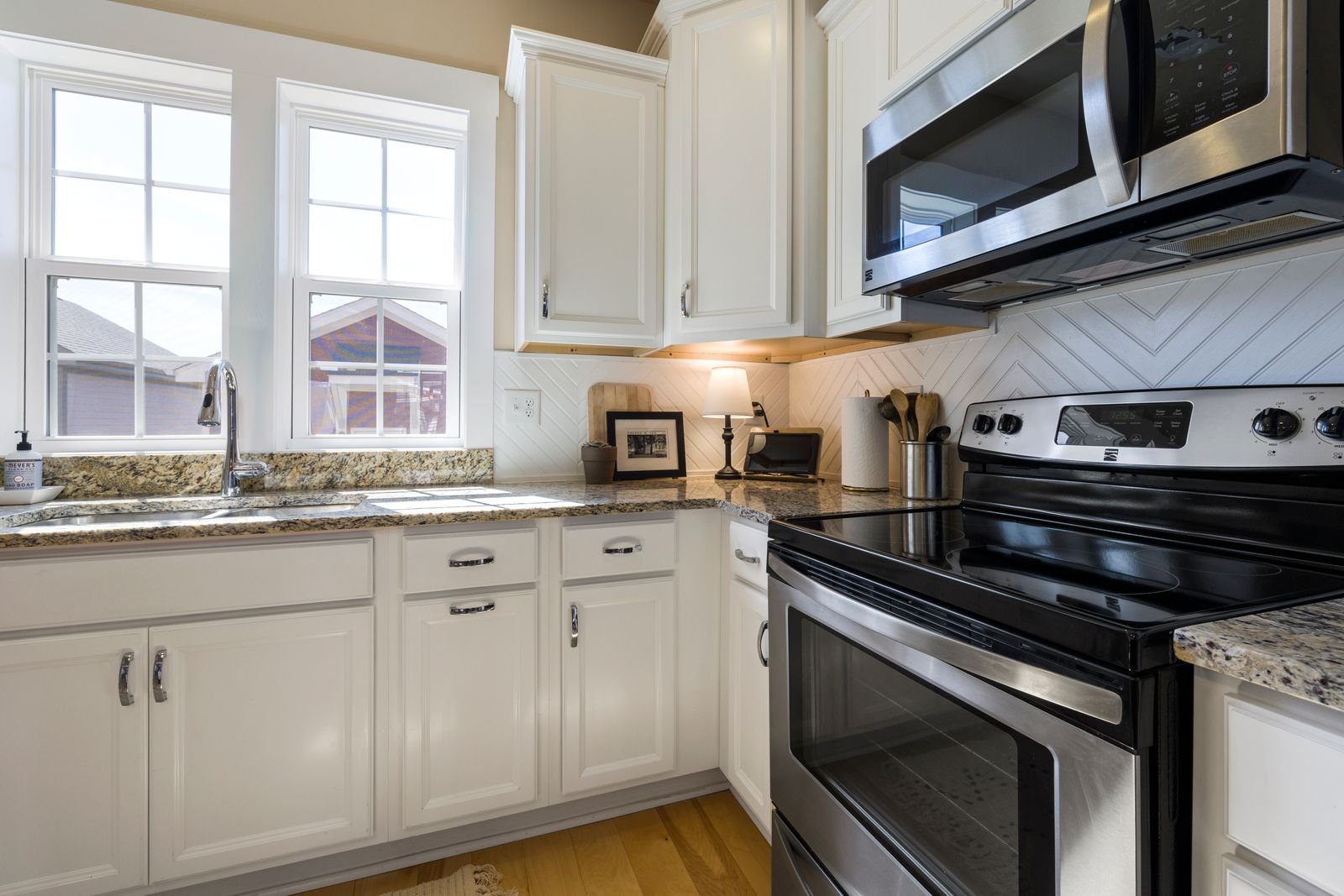
Subway tile is the safest timeless choice, and its staying power is no accident. The simple rectangular shape, the clean grout lines, and the way it reflects light suit nearly every kitchen style, from a prewar apartment to a new suburban build. White subway tile with a classic running-bond pattern is the most versatile version, working with marble, quartz, granite, and butcher block alike. For a little more character without leaving classic territory, consider handmade-look subway tile with subtle variation, a beveled edge for gentle dimension, or a herringbone layout on a single feature wall behind the range. Keeping the color calm and the pattern simple is what lets subway tile outlast trends. It is a frequent choice in Chelsea apartment renovations, where kitchens need to feel fresh and neutral for years.
Natural stone and marble slabs
Running the countertop material up the wall as a full-height slab backsplash is one of the most elegant timeless options. A marble, quartz, or granite slab behind the range or along the whole counter creates a seamless, unbroken look with almost no grout lines to clean, and it makes the kitchen feel more custom and considered. Marble slabs bring classic veining that has been admired for generations, while quartz slabs offer a calmer, more consistent pattern for contemporary kitchens. This approach costs more in material than tile, but it removes visual clutter and pairs beautifully with both white and wood cabinetry. In larger kitchens, a slab behind the range combined with tile elsewhere can give you the drama of stone where it matters most without covering every wall in it.
Soft neutrals, handmade texture, and classic patterns
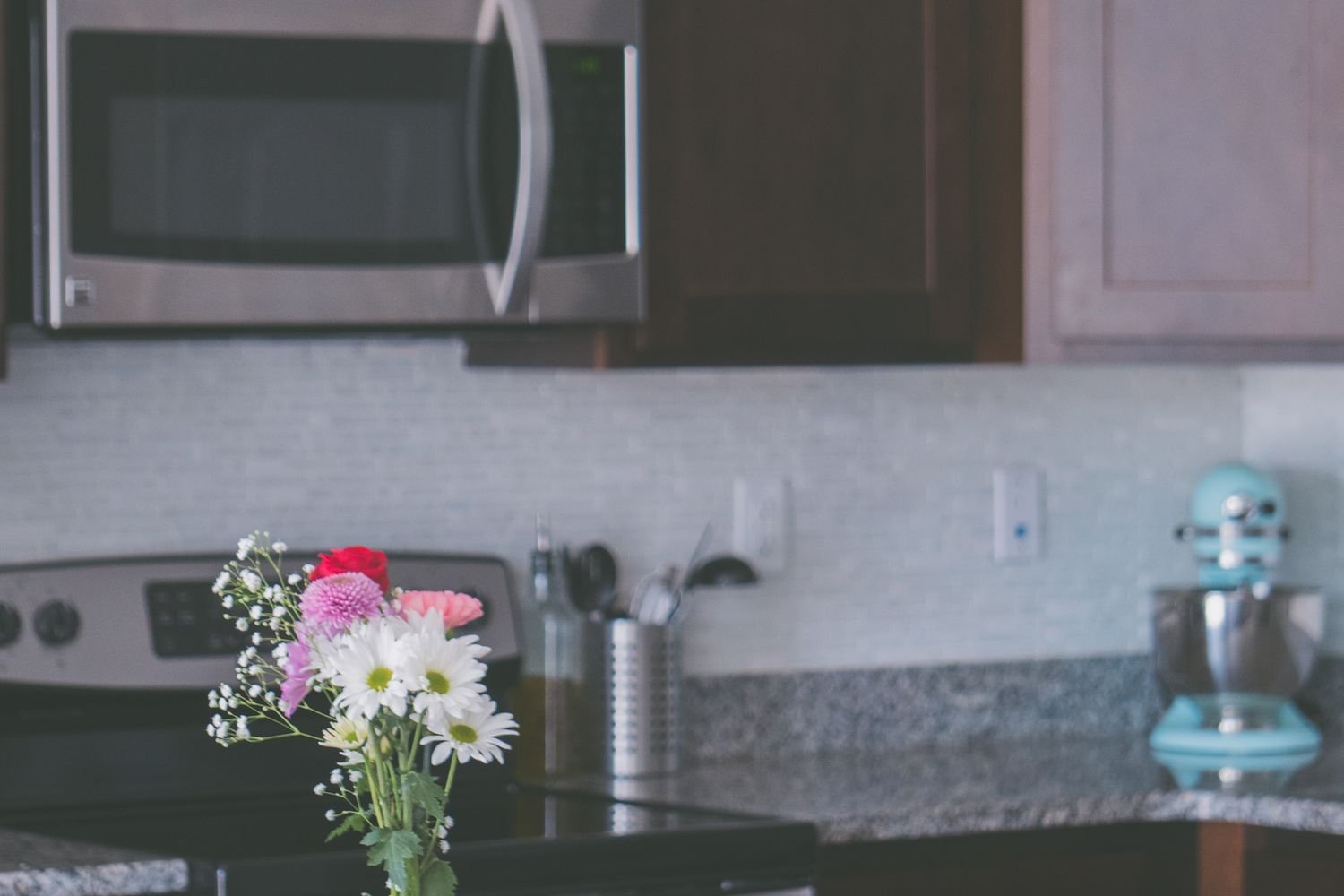
Color is where many backsplashes go wrong over time, so staying in soft neutrals is a reliable strategy. Warm whites, soft grays, pale greens, and muted blues sit comfortably with most cabinet colors and countertop materials, and they do not fight with the rest of the room. Texture can add interest without trendiness: handmade-look tiles with slight surface variation, matte finishes, and traditional patterns like herringbone or basketweave have all been used for decades and still look right. Small mosaic tiles in stone or ceramic can also be timeless when kept to a restrained palette, especially as an accent strip or a niche detail rather than a full wall of busy pattern. The key is restraint. One interesting element, whether it is texture, a soft color, or a classic pattern, is enough. Two or three competing statements in one backsplash is what starts to look dated.
Choosing a backsplash you will still love in ten years
Before committing, test your choice in the real kitchen rather than the showroom. Bring samples home, prop them against the wall with your cabinet and countertop samples, and look at them in morning light, evening light, and under the under-cabinet lighting you will actually use. Think about cleaning too: a backsplash behind the stove takes grease and splashes, so smooth, nonporous surfaces and larger tiles with fewer grout lines are easier to keep looking fresh. Homes in Bronxville and across Westchester often pair a classic backsplash with traditional cabinetry, and the combination ages gracefully because no single element is trying too hard. If you love a bold trend, consider using it in a small, changeable spot, like a powder room or an accent, and keep the kitchen backsplash classic. That way your kitchen stays calm, flexible, and beautiful for years, no matter what trends come and go.