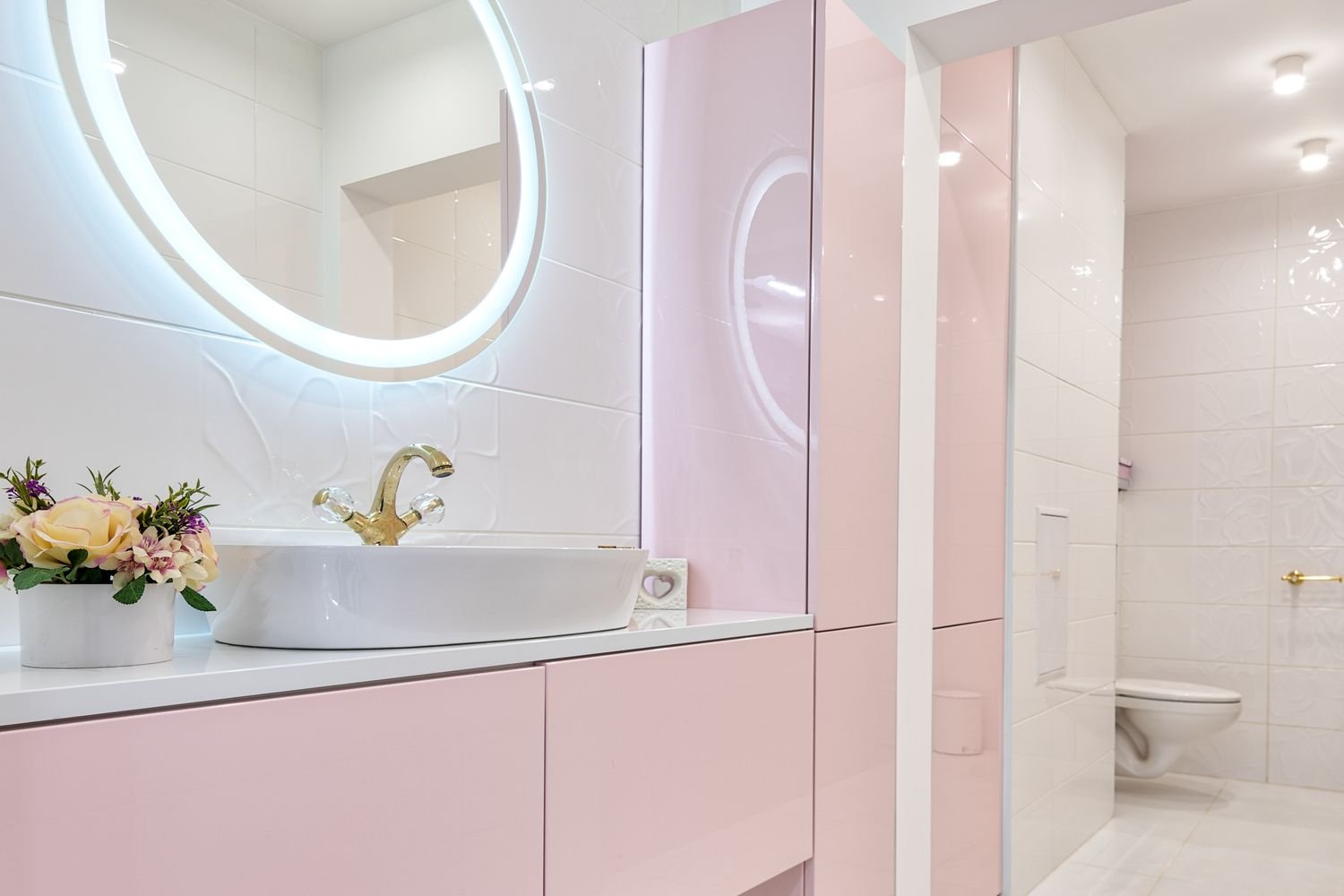
When a bathroom feels dated, the vanity and fixtures are usually the reason. They are the parts of the room you touch, look into, and stand in front of every morning, so they set the tone for everything else. Replacing them is also one of the most contained projects in a bathroom: the plumbing connections are already there, the tile can often stay, and the room can be transformed in days rather than weeks. That combination of visible impact and manageable scope is why vanity and fixture upgrades are a smart place to start.
Value here means two things. First, daily value: how much better the room works for the people who live with it. Second, lasting appeal: whether the choices still look right years from now and to a future buyer. The upgrades below score on both, and they work whether you are refreshing a Manhattan condo or updating a primary bathroom in a Westchester house.
The vanity is the room's anchor
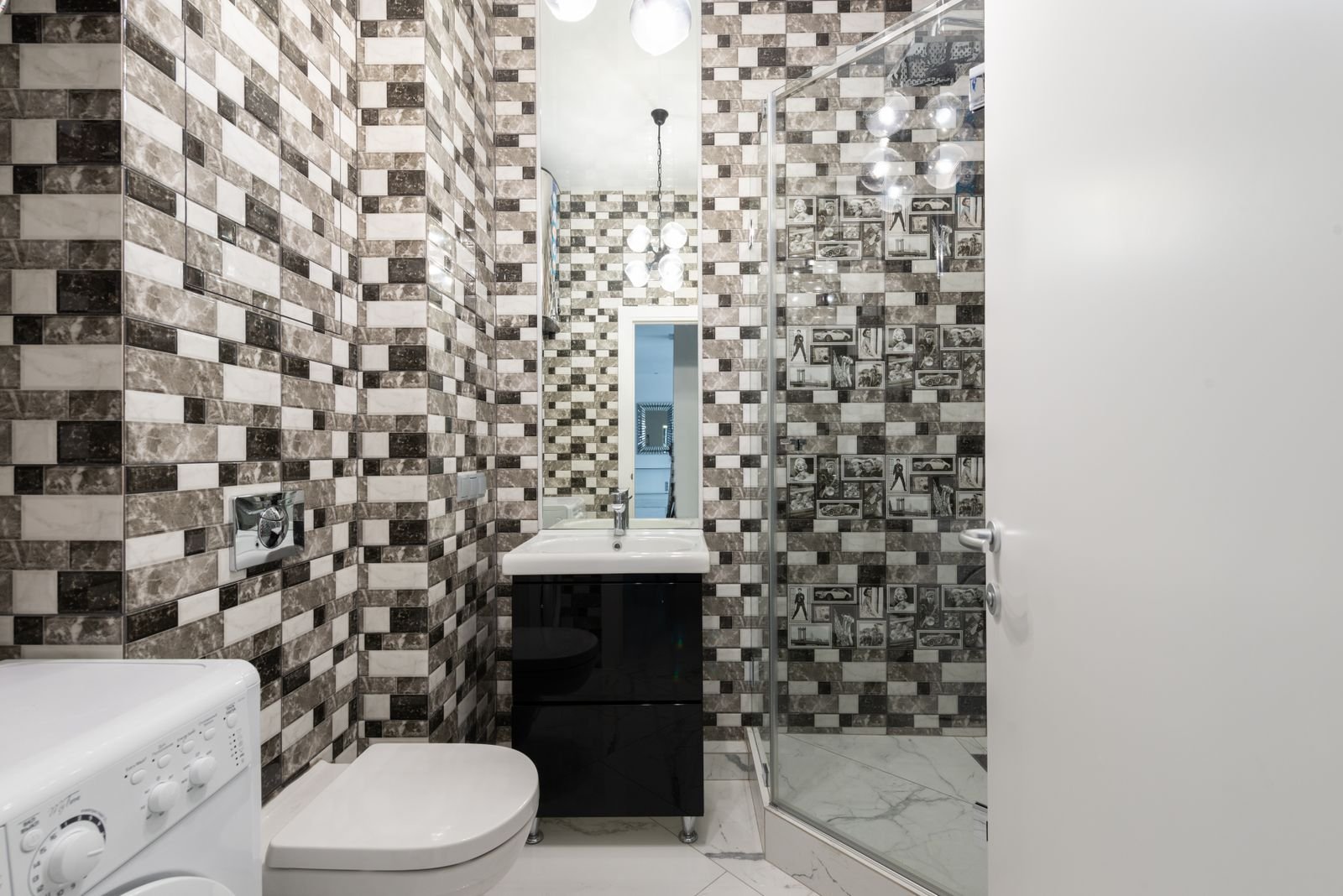
Start with the vanity, because it dominates the room visually and functionally. A vanity with drawers instead of a single hollow cabinet is the single most useful change you can make: drawers keep toiletries visible and reachable, while a deep cabinet swallows things to the back where they are forgotten. Soft-close drawers and full-extension slides are worth specifying, since they are the details you feel every day.
Sizing matters more than style. A vanity that is too wide crowds the toilet and blocks the door swing; one that is too narrow leaves you with nowhere to set anything down. Measure the wall, the clearances around the toilet, and the door swing before ordering, and remember that plumbing locations may limit how far the vanity can shift. In the loft-style bathrooms common in Tribeca, a long double vanity can suit a wide wall, while a compact single vanity with a tall storage tower beside it works better in a narrow room.
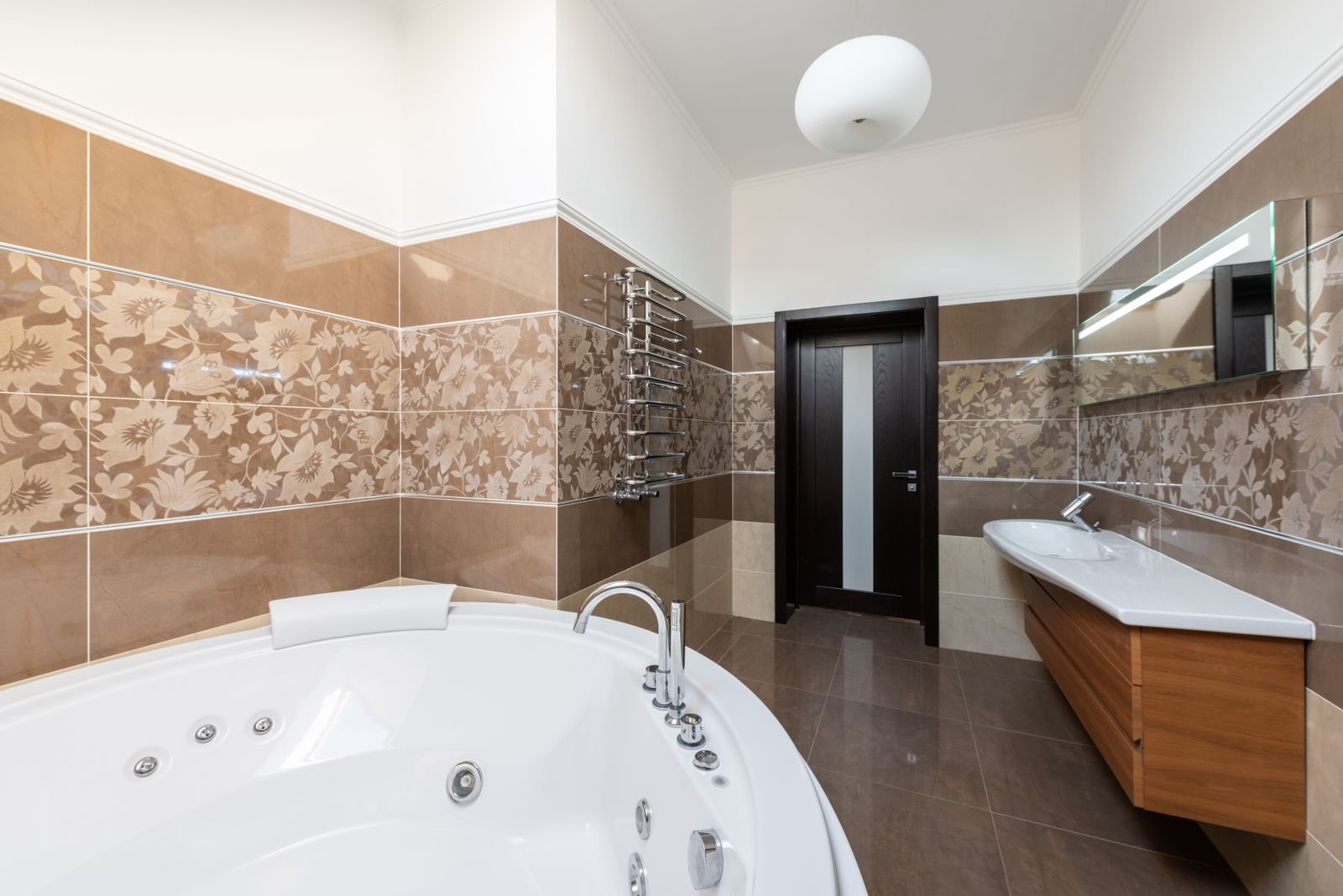
For the countertop, choose a material that tolerates daily bathroom life: water, toothpaste, hair products, and the occasional dropped bottle. Quartz and solid-surface tops handle that abuse with little maintenance, while natural stone needs sealing and can stain if neglected. An undermount sink keeps the counter easy to wipe down, since there is no rim to trap grime, and it makes a modest vanity look more expensive than it is.
Fixtures guests and buyers actually notice
Faucets, showerheads, and hardware are the jewelry of the bathroom, and they are where a modest budget can look generous. A well-made faucet with a clean, simple design reads as quality in a way that an ornate one often does not, and it will still look current when finishes change. Match the finish across the faucet, shower trim, towel bars, and cabinet hardware rather than mixing metals, since a mixed room reads as unfinished even when each piece is good on its own.
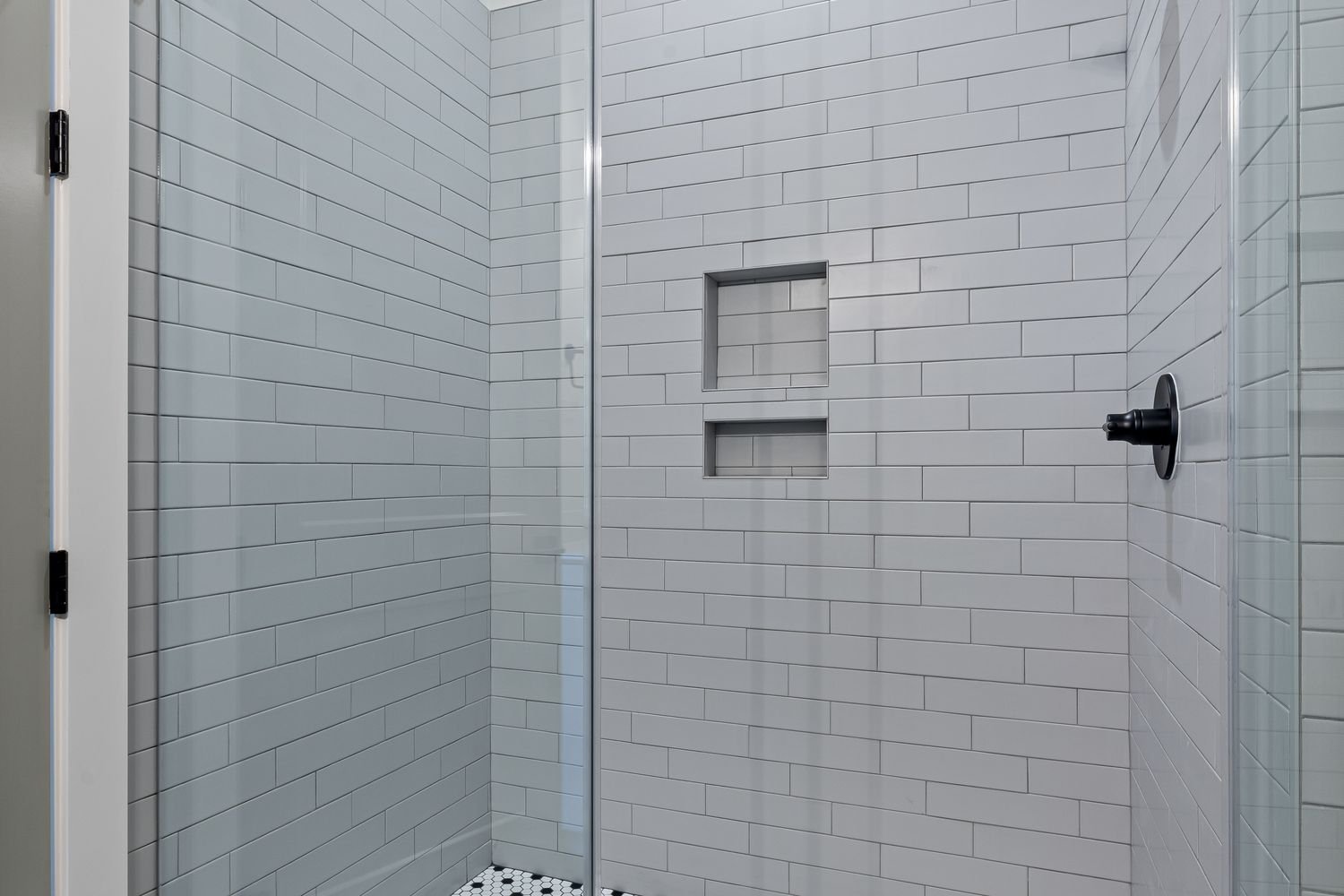
In the shower, a rainfall head, a handheld sprayer on a slide bar, or a thermostatic valve that holds its temperature are upgrades people genuinely feel. A handheld sprayer is especially practical: it makes cleaning the shower easier, helps with bathing children or pets, and is a real accessibility aid. Pair it with a fixed head and a diverter, and the shower serves every user without a complicated control panel.
Storage and lighting that make the room work harder
A mirror cabinet is one of the most underrated upgrades in a bathroom. It replaces a flat mirror with storage that is exactly where you need it, at eye level, without taking any floor or counter space. Modern versions come with integrated lighting, defogging, and electrical outlets inside for toothbrushes and razors, which clears the counter of chargers and cords. If the wall cannot take a recessed cabinet, a surface-mounted version still gives most of the benefit.
Lighting deserves the same attention. Sconces mounted beside the mirror, rather than a single bar above it, light the face evenly and flatteringly, which is the whole point of bathroom lighting. Add dimming if you can, since bright light for morning routines and soft light for an evening bath are genuinely different needs. Homes in Bronxville with older bathrooms often have a single overhead fixture doing all the work, and adding mirror lighting alone can change how the room feels at every hour.
Where to spend and where to hold back
Spend on the pieces you touch daily and the surfaces that take abuse: the vanity drawers, the faucet, the shower valve, and the countertop. These are also the hardest to replace later without disturbing tile and plumbing, so quality there is a long-term decision. Hold back on decorative items that are easy to change later, such as towel bars, mirrors, and paint color, unless a specific piece genuinely completes the room.
A note of caution for apartment owners: in a co-op or condo, even a vanity swap can involve building rules about plumbing work, shutoffs, and approved contractors, so check the alteration requirements before scheduling anything. And in a Westchester home near Mount Kisco, where a bathroom may sit above a finished room, confirm that shutoff valves work and that supply lines are in good condition before new fixtures go in. A fixture upgrade is a good moment to fix small plumbing problems while the wall is already open.