Ask what a bathroom renovation costs and you will get a range so wide it feels useless. That range is honest, though, because bathrooms vary enormously in scope and condition. A cosmetic refresh that keeps the layout and the plumbing where they are is a fundamentally different project from a gut renovation that moves a toilet, replaces cast-iron drains, and rebuilds a shower from the studs. Understanding what drives the cost helps you make choices that match your budget, rather than discovering the drivers after work has started.
This post discusses cost factors in general terms only, since every bathroom and every building is different. The factors below are the ones that consistently matter most for homes across Westchester County, from older houses to newer construction, and they apply in Manhattan apartments too, with building logistics playing an even larger role there.
Scope is the biggest lever
Scope means how much of the room changes, and it is the single biggest cost driver. A refresh, new vanity, new fixtures, fresh paint, and perhaps new flooring, keeps the plumbing and the walls intact, so the work is contained and the schedule is short. A mid-range renovation adds a new shower or tub, new tile throughout, and updated lighting and ventilation. A full gut renovation strips the room to the studs and rebuilds everything, including plumbing, electrical, waterproofing, and tile.
Each step up in scope adds labor and materials, but it also adds the chance to fix hidden problems, which is sometimes the point. A gut renovation is the only way to properly address old plumbing, inadequate ventilation, or a shower that was never waterproofed correctly. If the bathroom is being renovated because of a leak or chronic moisture, a surface refresh will not solve the underlying problem, and spending on finishes before fixing the cause is money that will need spending twice.
What is behind the walls
Westchester has a large stock of older homes, and older bathrooms hide surprises. Cast-iron drain lines that are corroded, galvanized supply pipes that are nearly closed with mineral buildup, wiring that predates modern bathroom circuits, and framing that has suffered water damage are all common discoveries once tile and walls come off. None of these are visible during an initial walkthrough, which is why a careful contractor will flag the possibility of hidden conditions before work starts rather than promising a fixed outcome sight unseen.
The age and construction of the house shape this risk. A bathroom in a newer home around Scarsdale may have modern plumbing and straightforward framing, while a bathroom in an older home near Chappaqua may need more remedial work before new finishes can go in. Subfloor condition matters too: a floor that has flexed or rotted under a leaking toilet needs repair before tile can be set, and tile set on a bad subfloor will crack no matter how good the tile is. These are not upsells; they are the work that makes the visible work last.
Materials and fixtures: where choice meets cost
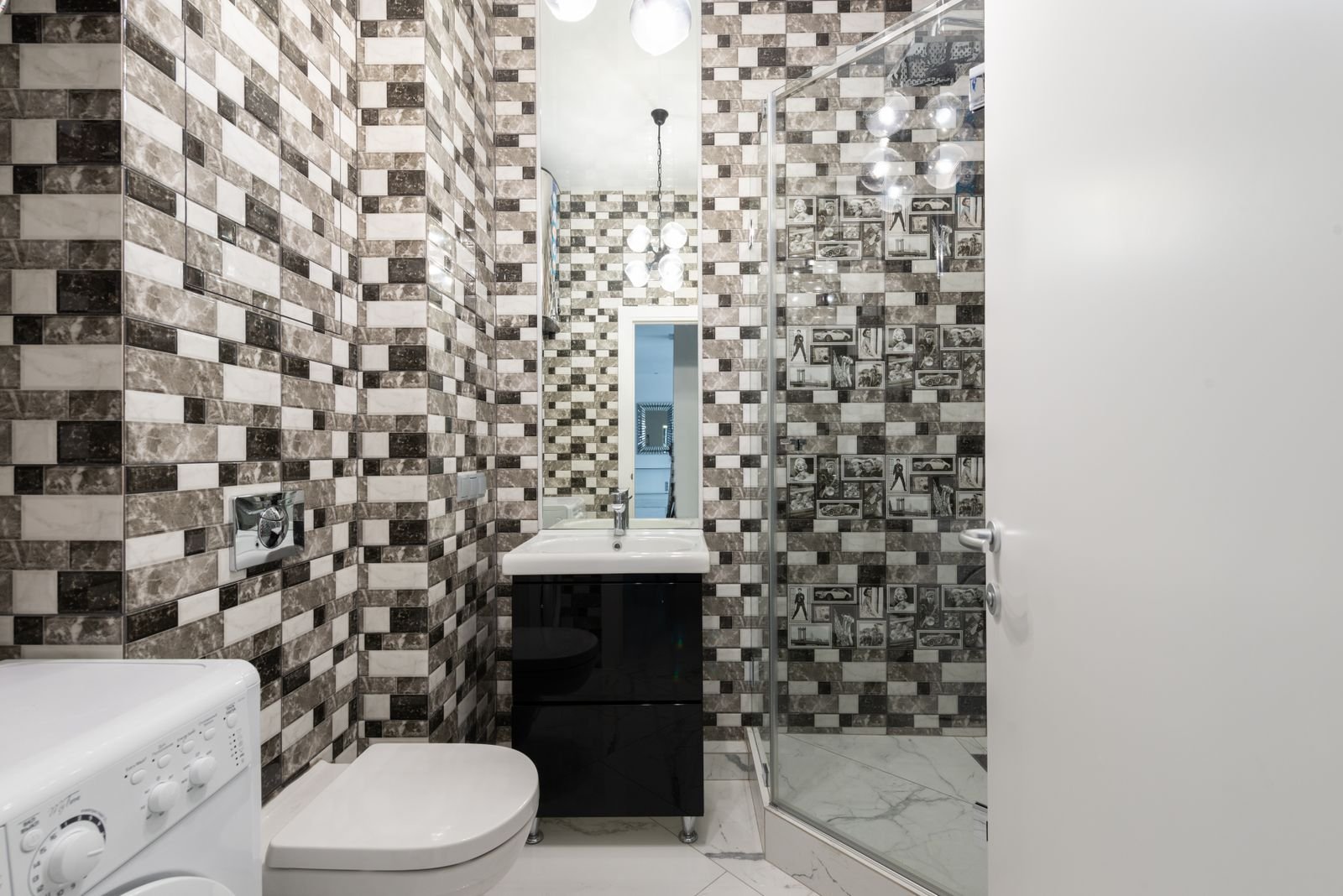
Material choices move the total, but not always in the way people expect. Tile is a good example: the tile itself can range from modest to extravagant, but the labor to set it is similar either way, so a distinctive tile is often a reasonable splurge. Plumbing fixtures work the same way: a well-made faucet and shower valve cost more than a basic set, but the installation labor is nearly identical, and the difference is felt every day. These are places where spending a little more buys a lot of daily quality.
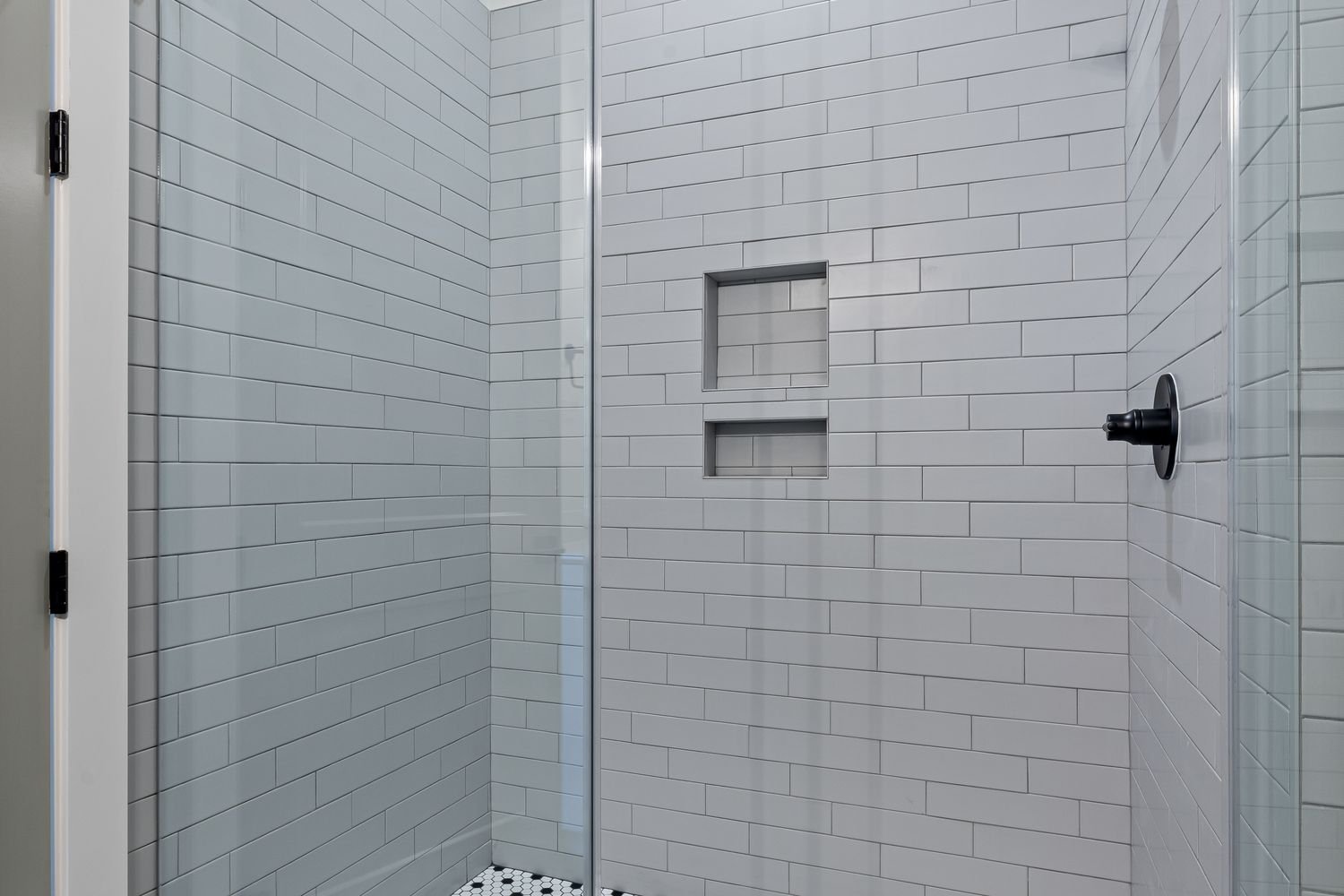
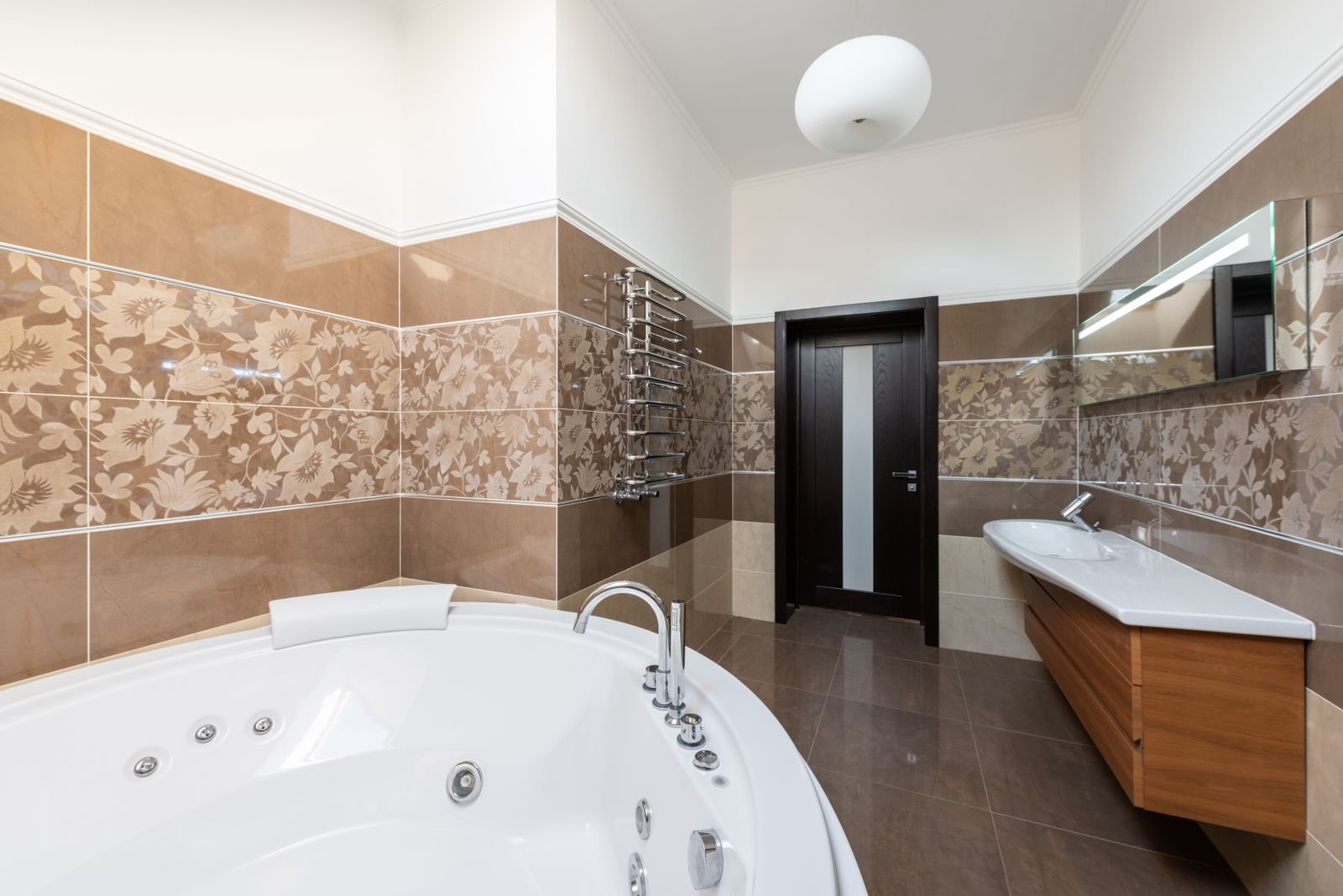
Where materials really add up is in quantity and complexity. A fully tiled shower with niches, a bench, and a patterned accent wall takes more labor than a simple tiled surround. Custom glass for a walk-in shower, a double vanity with stone tops, and a freestanding tub each add both material and installation complexity. The practical approach is to pick one or two places to invest, the shower and the vanity are the usual candidates, and keep the rest of the room straightforward. That balance gives the room its character without letting every surface become a premium line item.
Layout changes, permits, and logistics
Moving plumbing is one of the most expensive choices in a bathroom renovation. Relocating a toilet means moving its drain, which in a slab or a finished floor below can involve cutting concrete or opening a ceiling. Moving a shower drain for a curbless design has similar implications. Keeping the toilet, tub or shower, and vanity roughly where they are, even while replacing all of them, avoids a large share of plumbing labor and keeps the project simpler.
Permits and approvals add time and sometimes cost, and they vary by municipality. A project that moves plumbing or electrical work may need a permit, so check local permit requirements early, and factor the approval timeline into the schedule. In a condo or co-op, board approvals and alteration agreements add their own timeline. Logistics matter as well: access for materials, protection of floors and common areas, parking for trades, and disposal of demolition debris all take coordination, and homes in denser areas around Yonkers can face tighter constraints than a suburban home with a driveway and a dumpster spot.