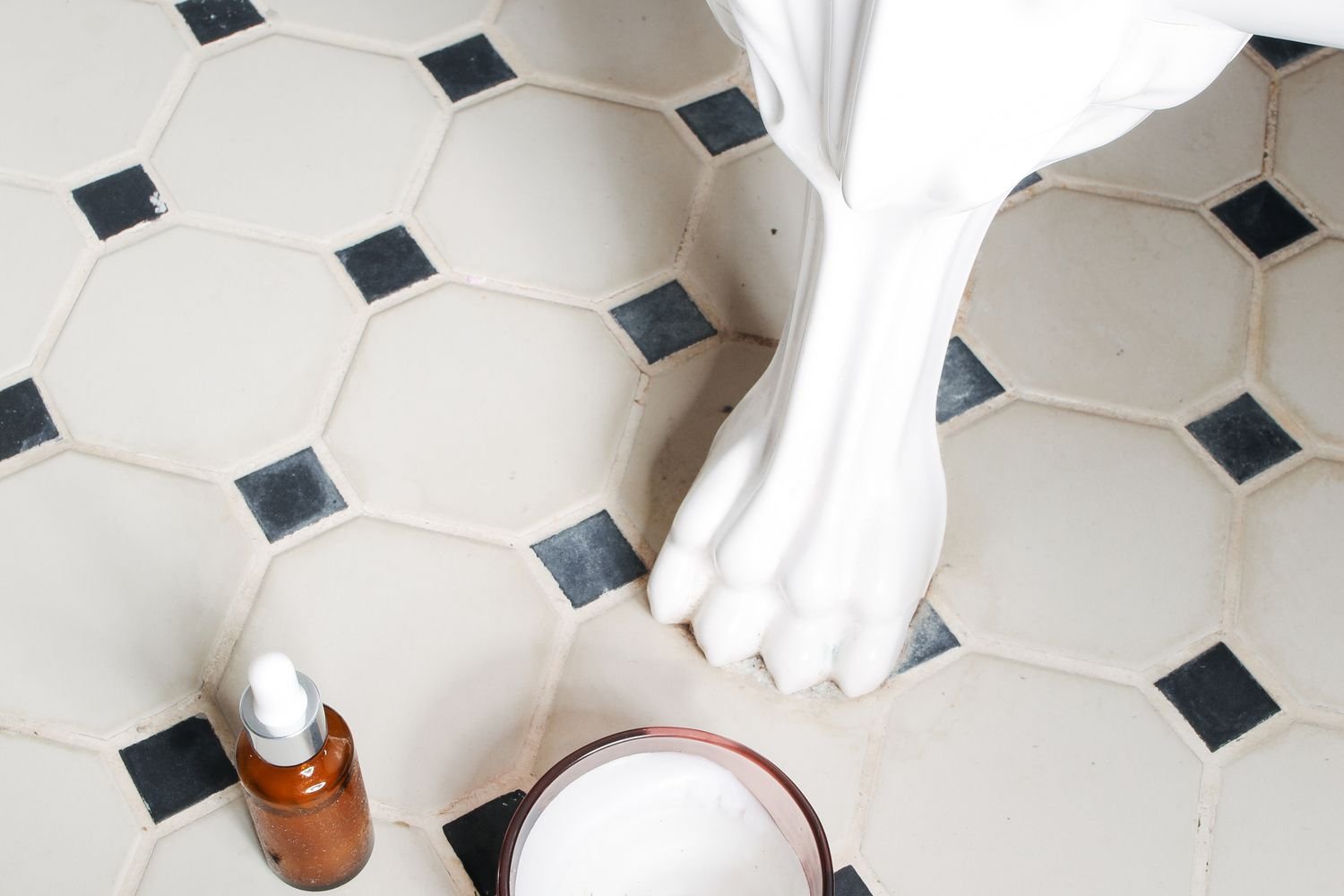
Bathroom flooring has a harder job than flooring anywhere else in the house. It gets splashed daily, steamed regularly, walked on barefoot, and occasionally flooded by an overflowing tub or a leaking supply line. For years the safe answer was small white ceramic tile, and while that still works, the options have widened considerably. Today you can have a floor that is genuinely waterproof and still looks like wood, stone, or concrete.
The key distinction is between water-resistant and waterproof. A water-resistant floor tolerates splashes but can fail if water sits on it or seeps into seams. A waterproof floor is built to handle standing water without swelling, warping, or growing mold underneath. In a bathroom, waterproof is the standard worth holding, and the options below meet it in different ways.
Porcelain and ceramic tile: the dependable classic
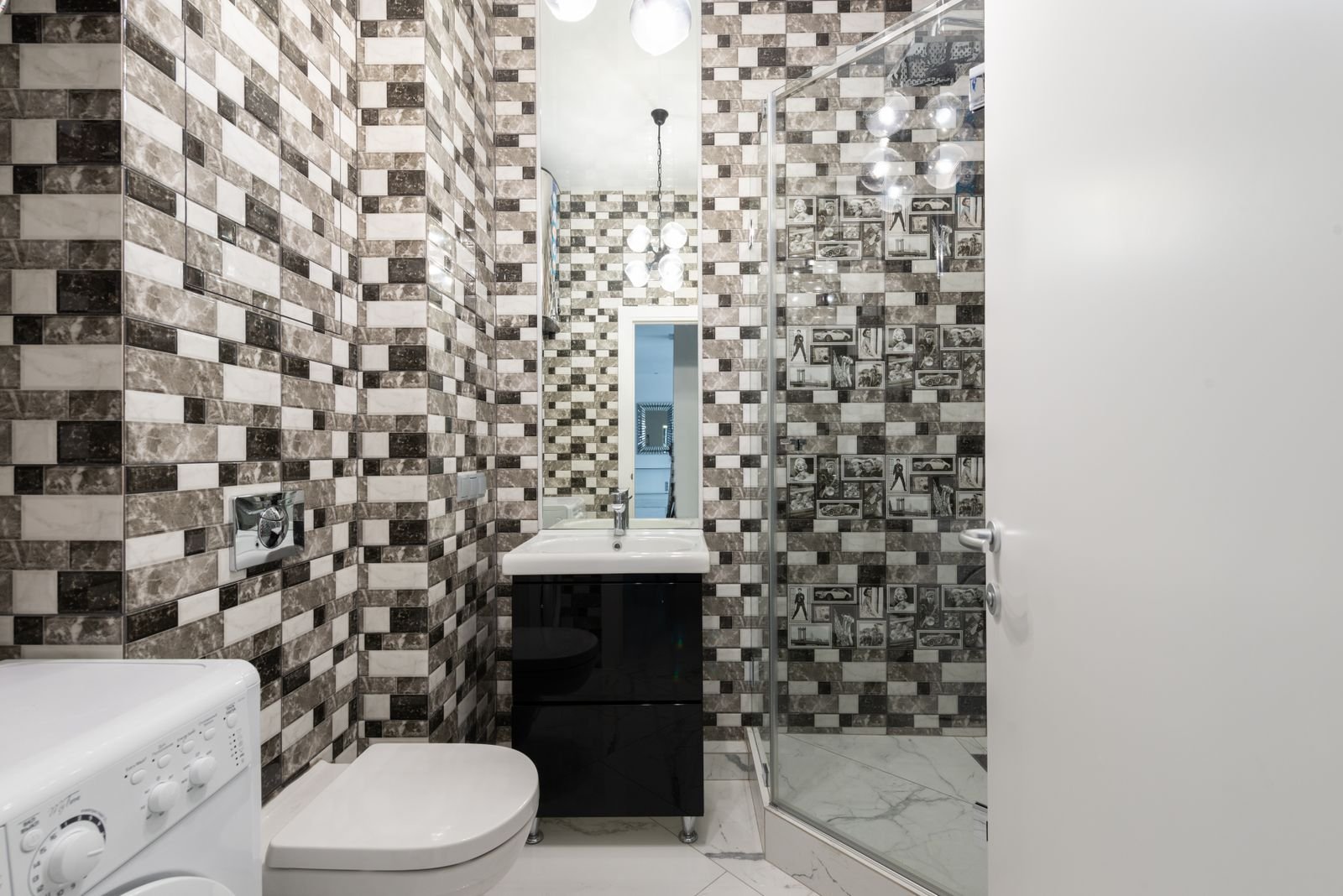
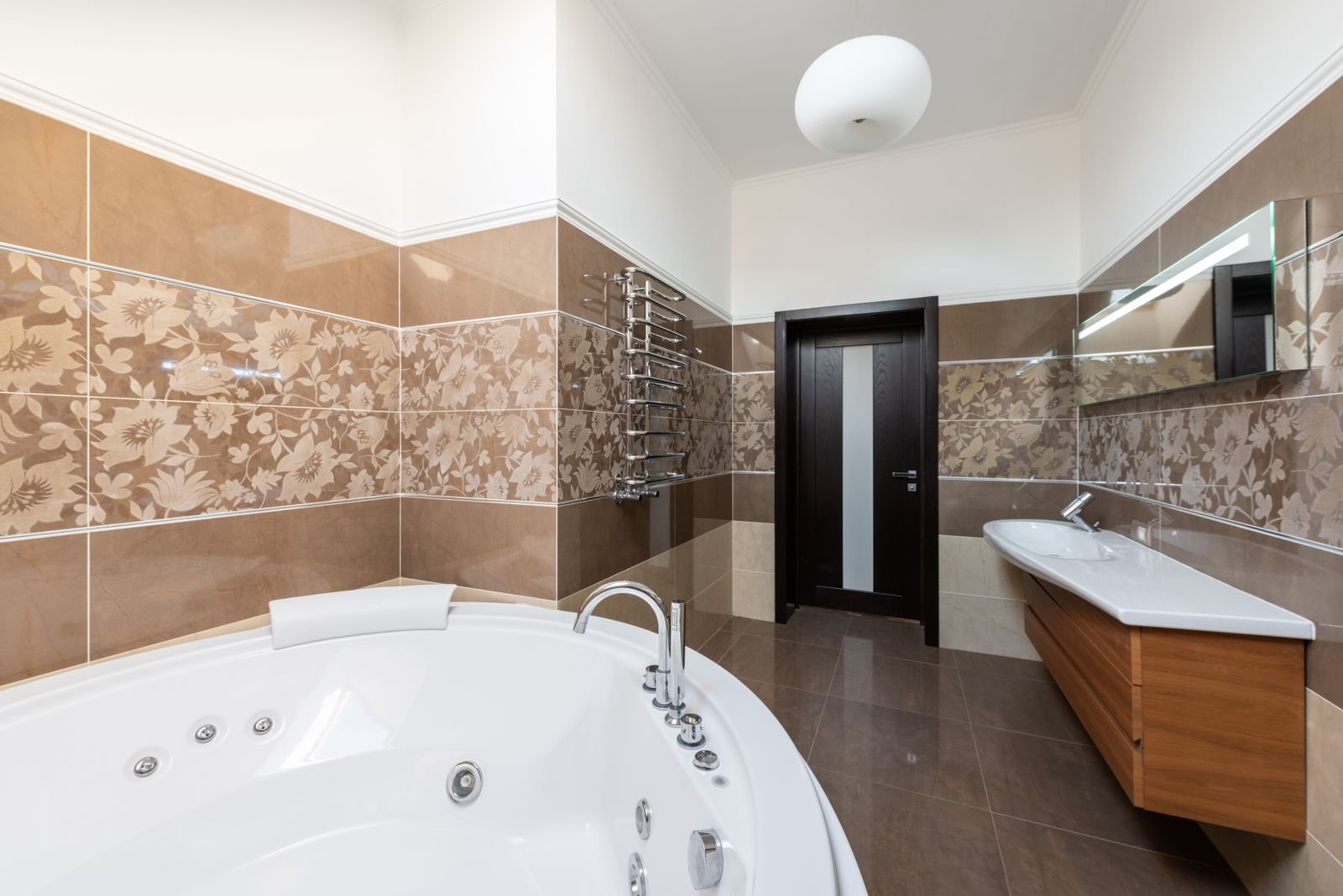
Porcelain tile remains the benchmark for bathroom floors, and for good reason. It does not absorb water, it tolerates steam and cleaning chemicals, and it comes in an enormous range of looks, including convincing wood planks, marble, and concrete. Porcelain is denser and less porous than standard ceramic, which makes it the better choice for a floor that will see daily water. Glazed porcelain also resists staining, so hair dye, makeup, and cleaning products are less of a worry.
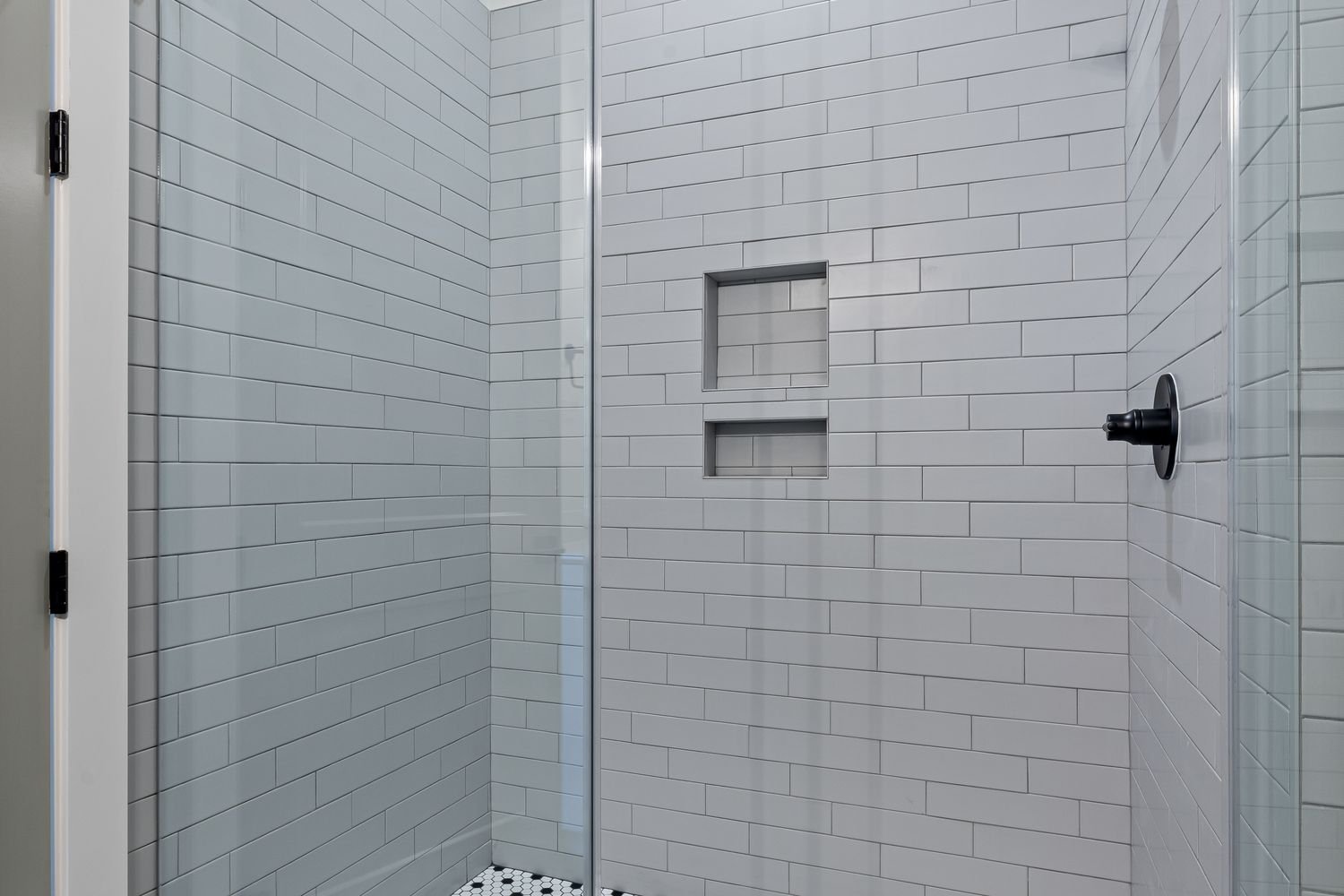
The details matter as much as the tile. A slip-resistant finish or a textured surface is worth choosing for a bathroom floor, especially in a shower area, since a glossy tile gets treacherous when wet. Smaller tiles or mosaics in the shower give more grout lines, which add grip underfoot. For the main floor, larger tiles mean fewer grout lines to clean, and rectified edges allow tighter joints that look cleaner and collect less grime. Seal the grout, and reseal it on a schedule, because grout is the weak point of an otherwise waterproof floor.
Luxury vinyl and other resilient options
Luxury vinyl plank and tile have become a serious bathroom option, and the reason is comfort. Vinyl is warmer and softer underfoot than tile, which matters on cold mornings, and it is quieter too. Rigid-core vinyl with a waterproof core handles splashes and spills well, and the best products look convincingly like wood or stone at a glance. It is also more forgiving to install over an imperfect subfloor than tile, which can be a real advantage in an older apartment.
There are limits to respect. Vinyl's waterproof claim depends on the installation: click-lock seams can let water through if it sits long enough, and a flood from a failed supply line can still get underneath. Glue-down vinyl seals better than floating planks, and a proper underlayment and sealed perimeter help. Vinyl also cannot be refinished, so deep scratches are permanent, though individual planks can often be replaced. In a hall bathroom or a powder room it is an excellent choice; in a primary bathroom with a curbless shower, tile remains the safer bet for the wet zone itself.
Stone-look and large-format choices
If you love the look of natural stone but not its maintenance, stone-look porcelain is the practical answer. It gives the veining and variation of marble or slate without the sealing schedule and stain anxiety of the real thing. Large-format tiles, in particular, can make a small bathroom feel bigger, since fewer grout lines mean fewer visual breaks across the floor. That effect shows up clearly in the compact bathrooms of Chelsea, where a continuous floor running into the shower enclosure can make the whole room read as one open space.
Real natural stone is still an option for a primary bathroom, and it has a depth and variation that manufactured tile cannot fully match. It does ask more of you: regular sealing, prompt cleanup of spills, and acceptance that the surface will develop character over time. In a guest bathroom or a powder room that sees lighter use, stone can be a beautiful choice. In a hardworking family bathroom, stone-look porcelain gives nearly all of the appearance with far less upkeep.
Grout, drains, and the details that keep floors dry
Whatever surface you choose, the floor only stays waterproof if the layers beneath it are right. A waterproof membrane under tile, a properly sloped shower floor, and a drain that is tested before tile goes down are the unglamorous parts of the job that decide whether the floor lasts. In a curbless shower, the slope has to be precise: too shallow and water pools, too steep and it feels awkward underfoot. These are details to discuss before work starts, not after the tile is set.
Transitions deserve attention too. Where the bathroom floor meets the hallway, a clean threshold and a small height difference keep water from migrating out of the room. Radiant heating under tile is worth considering if the budget allows, since it makes a tile floor genuinely pleasant in winter and helps the floor dry faster after showers. Homes around Larchmont and Tarrytown with older bathrooms often benefit most from this combination, since a warm, dry floor changes how the room feels every single morning.
The best bathroom floor is the one that fits how the room is actually used: tile for the wettest zones and the hardest-working bathrooms, vinyl where warmth and comfort matter most, stone-look porcelain where you want the appearance of stone without the upkeep. Choose for the water first and the look second, and the floor will take care of itself for years.